
Every flower has a natural lifespan once cut, but few buyers know what to realistically expect. A bouquet that fades in three days feels like a disappointment; one that still looks beautiful after two weeks feels like a triumph. The truth is that vase life varies enormously between flower types, from the fleeting beauty of a poppy to the marathon endurance of a carnation, and knowing these differences helps you choose wisely, care properly, and never feel short-changed. This guide covers how long each popular flower really lasts, and what you can do to stretch every stem’s best days.
What Is Vase Life, Really?
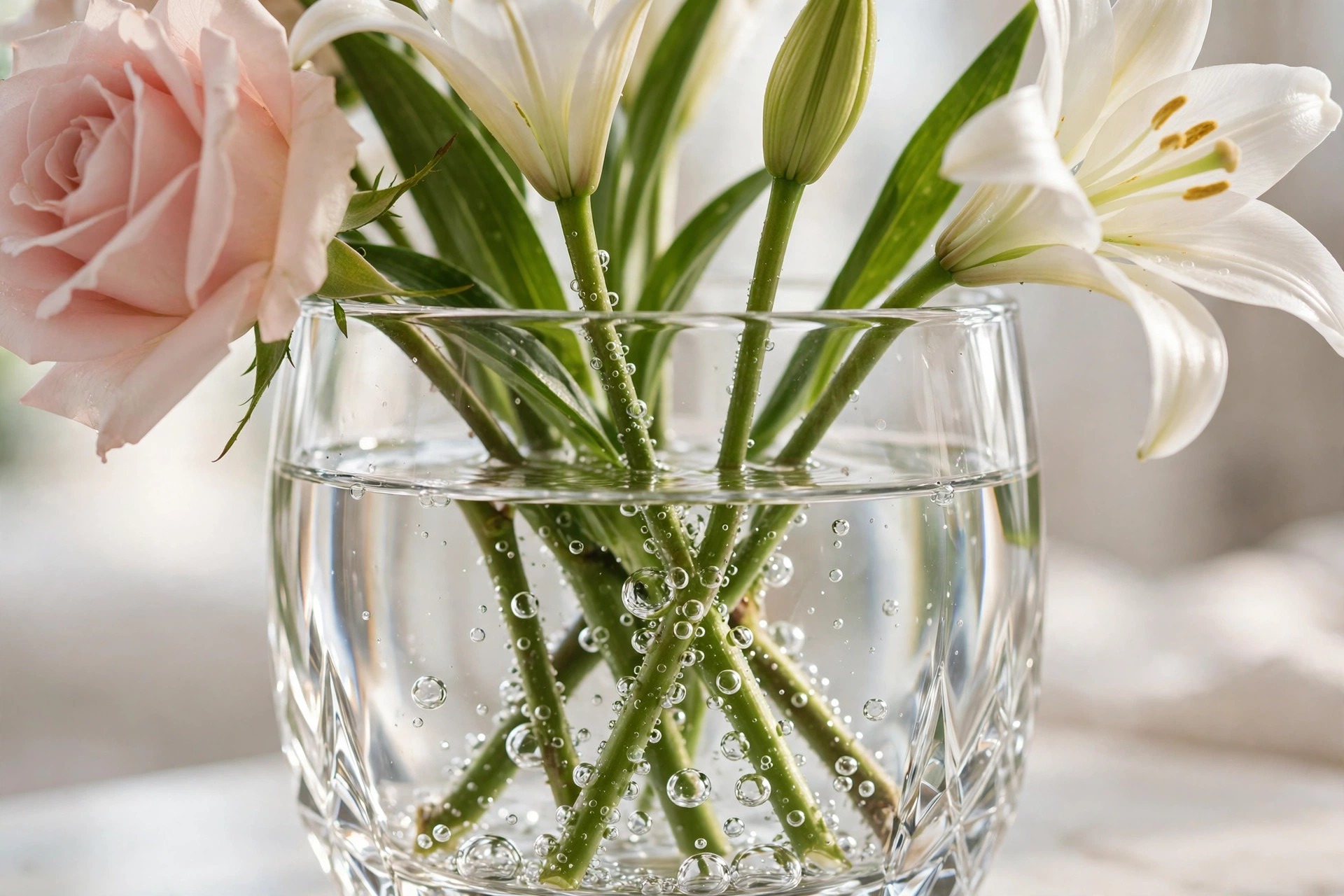
Vase life is the number of days a cut flower remains attractive in a vase under normal home conditions. It is not an exact science: the same rose variety might last five days in one home and nine in another, depending on water quality, room temperature, sunlight, and how the stems were handled before you received them. In Dubai, where indoor air-conditioning and outdoor heat create sharp contrasts, care habits matter even more than in milder climates.
It is also worth knowing that a flower’s vase life clock starts ticking at harvest, not at purchase. A bloom that spent days in transit or sat in a warm market will have less life left than one that moved quickly through a proper cold chain. This is why buying from a florist with good sourcing and handling practices genuinely extends how long your flowers last at home, the freshness you pay for is real.
Vase Life by Flower: The Honest Guide
The Marathon Runners: 10 to 21 Days
Carnations lead the pack, routinely lasting two weeks and often stretching to three with good care. Their sturdy petals resist wilting and their stems drink steadily. Chrysanthemums are close behind, with many varieties lasting two to three weeks; their dense flower heads age gracefully rather than collapsing. Alstroemeria, the Peruvian lily, typically gives ten to fourteen days, with individual blooms opening in succession so the stem looks fresh for longer.
Anthuriums, with their waxy heart-shaped blooms, can last two to three weeks or more, as can orchid sprays, which hold their exotic beauty for weeks when kept hydrated. These are the flowers to choose when longevity is the priority, for a hotel lobby, an office reception, or a gift you want to keep giving joy long after delivery day.
The Strong Middle: 7 to 12 Days
Roses, the world’s most gifted flower, typically last five to ten days depending on variety, with many good-quality roses giving a solid week. Garden roses, with their many delicate petals, tend toward the shorter end, while standard long-stem roses often last longer. Proper care, recutting stems, clean water, flower food, makes the biggest difference with roses.
Lilies last seven to ten days, with buds opening in sequence over several days, which extends the display. Remove the pollen anthers as blooms open to prevent staining and to slightly extend each flower’s life. Gerbera daisies give seven to ten days when their hollow stems are kept well-hydrated; they are prone to drooping if water levels drop. Sunflowers typically last a week to ten days, their bold heads holding up well. Lisianthus, with its rose-like ruffled blooms, offers seven to ten days of elegant beauty.
The Short but Spectacular: 4 to 7 Days
Tulips last five to seven days, and they keep growing in the vase, a charming trait that means arrangements shift and evolve. Daffodils and narcissi give four to six days; note that their stems release a sap that shortens other flowers’ lives, so they are best displayed alone. Irises offer four to six days of striking beauty. Freesias, beloved for their fragrance, last about a week.
Peonies, the luxury flower everyone adores, give five to seven days at their best, a short season of glory that partly explains their mystique and price. Sweet peas last four to five days but reward you with extraordinary fragrance. Poppies and anemones are among the briefest, often four to five days, but their delicate beauty makes every day count.
Why Flowers Fade Faster in Dubai Homes
Dubai’s climate creates specific challenges for cut flowers. Air-conditioning, while essential for comfort, dehydrates the air and blows directly onto arrangements placed near vents, accelerating petal drying. The temperature shock of moving flowers between a cool interior and a hot balcony or car can stress stems. And Dubai’s tap water, desalinated and sometimes warm from pipes, is not ideal; lukewarm water is fine, but hot water from sun-warmed pipes should be avoided.
Ethylene gas is another silent killer. Ripening fruit, especially bananas, apples, and tomatoes, releases ethylene that ages flowers prematurely. In Dubai kitchens where fruit bowls sit on counters near flower vases, simply moving the flowers to another room can add days to their life. Cigarette smoke and car exhaust near open windows have a similar ageing effect.
Proven Ways to Extend Vase Life
The Essentials Everyone Should Do
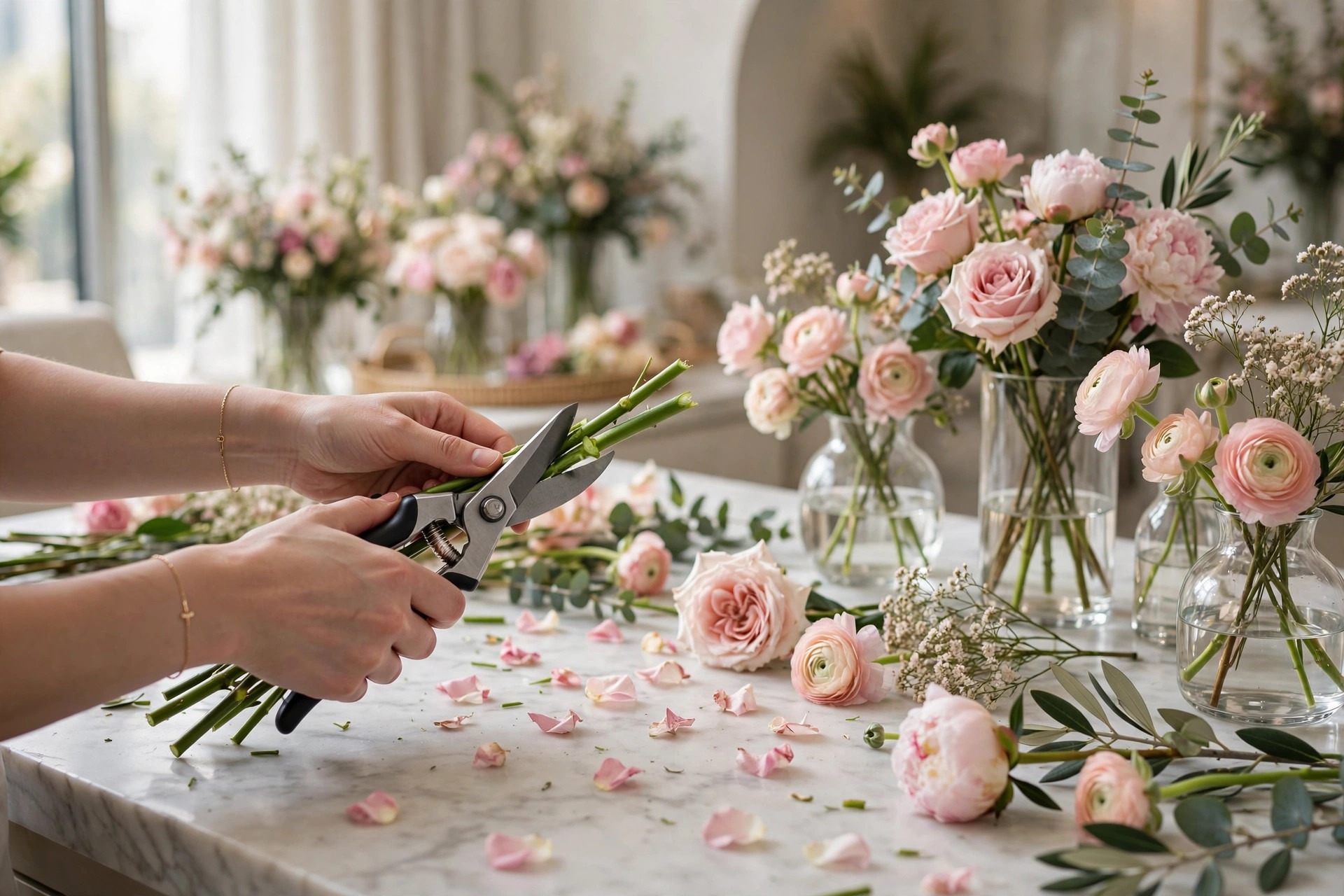
Start with a clean vase, washed with soap and rinsed well, because bacteria in a dirty vase is the number one killer of cut flowers. Recut every stem at a 45-degree angle under running water before arranging; this opens fresh drinking channels. Remove all leaves that would sit below the waterline. Fill the vase with fresh, room-temperature water and add the flower food sachet your florist provides; it contains sugar for energy, acid to improve water uptake, and biocide to suppress bacteria.
The Habits That Add Days
Change the water every two to three days, recutting the stems by a centimetre each time. This single habit does more for vase life than any home remedy. Keep arrangements in the coolest spot in the room, away from direct sunlight, heating appliances, and air-conditioning vents. At night, moving flowers to a cooler room can noticeably extend their life, florists have known this trick forever.
Mist delicate petals lightly with water in very dry air-conditioned rooms, but avoid misting flowers prone to spotting. For roses showing early droop, try the revival trick: recut the stem and place it in deep warm water for an hour, which often perks the head back up. Remove spent blooms promptly from mixed arrangements so decaying petals do not spread bacteria to healthy stems.
What About Home Remedies?
You will find endless advice online: aspirin, vodka, bleach, sugar, copper coins. A tiny drop of bleach, literally a quarter teaspoon per litre, can genuinely help by killing bacteria, and a teaspoon of sugar provides energy, which is essentially what commercial flower food does, only less balanced. Aspirin and vodka have weak evidence at best. The honest verdict: proper flower food, clean water, and fresh cuts outperform every home remedy, so use the sachet and change the water.
Choosing Flowers by Occasion and Longevity
Match the flower’s natural lifespan to the job. For a one-evening dinner party, short-lived showstoppers like peonies, sweet peas, or anemones are perfect; they only need to be glorious for a night. For a week-long hotel stay or an office reception, choose marathon runners like carnations, chrysanthemums, or orchids. For gifts, consider the recipient’s lifestyle: a busy person who will not change water daily will get more joy from long-lasting alstroemeria than from demanding garden roses.
For sympathy flowers, longevity carries emotional weight; arrangements that hold up for two weeks provide sustained comfort. For weddings, longevity matters differently: flowers need to look perfect for one intense day, often in heat, so choose sturdy varieties and trust your florist’s conditioning.
Frequently Asked Questions
Which cut flowers last the longest in a vase?
Carnations, chrysanthemums, alstroemeria, anthuriums, and orchid sprays are the longest-lasting cut flowers, typically giving two to three weeks with proper care. They are the best choices when longevity is the priority.
How long do roses last in a vase?
Roses typically last five to ten days depending on the variety and care. Recut the stems, use flower food, change the water every two to three days, and keep them cool and away from direct sun for the best vase life.
Why do my flowers wilt so fast in Dubai?
Air-conditioning dehydrates petals, temperature swings stress stems, and ethylene from nearby ripening fruit ages flowers faster. Keep arrangements away from AC vents and fruit bowls, in the coolest spot in the room.
Does flower food really work?
Yes. Commercial flower food contains sugar for energy, an acidifier to improve water uptake, and a biocide to suppress bacteria. It outperforms home remedies, so always use the sachet your florist provides.
How often should I change the water in a flower vase?
Every two to three days, recutting the stems by about a centimetre each time. This is the single most effective habit for extending vase life, more impactful than any additive.
Can I revive drooping roses?
Often, yes. Recut the stem at an angle and place it in deep, warm water for an hour; this frequently revives a drooping rose head. If the stem is bent or the head is very soft, the flower is likely finished.
Valentine’s Day Flower Gifts 2026 in Dubai
Valentine’s Day in Dubai never really feels quiet. Restaurants book out early, delivery slots disappear faster than expected, and people suddenly realize they should’ve planned
Same Day Flowers Delivery on Valentine’s Day 2026 in Dubai
Valentine’s Day has a way of sneaking up on us. One moment you’re thinking you have plenty of time, and the next — it’s already
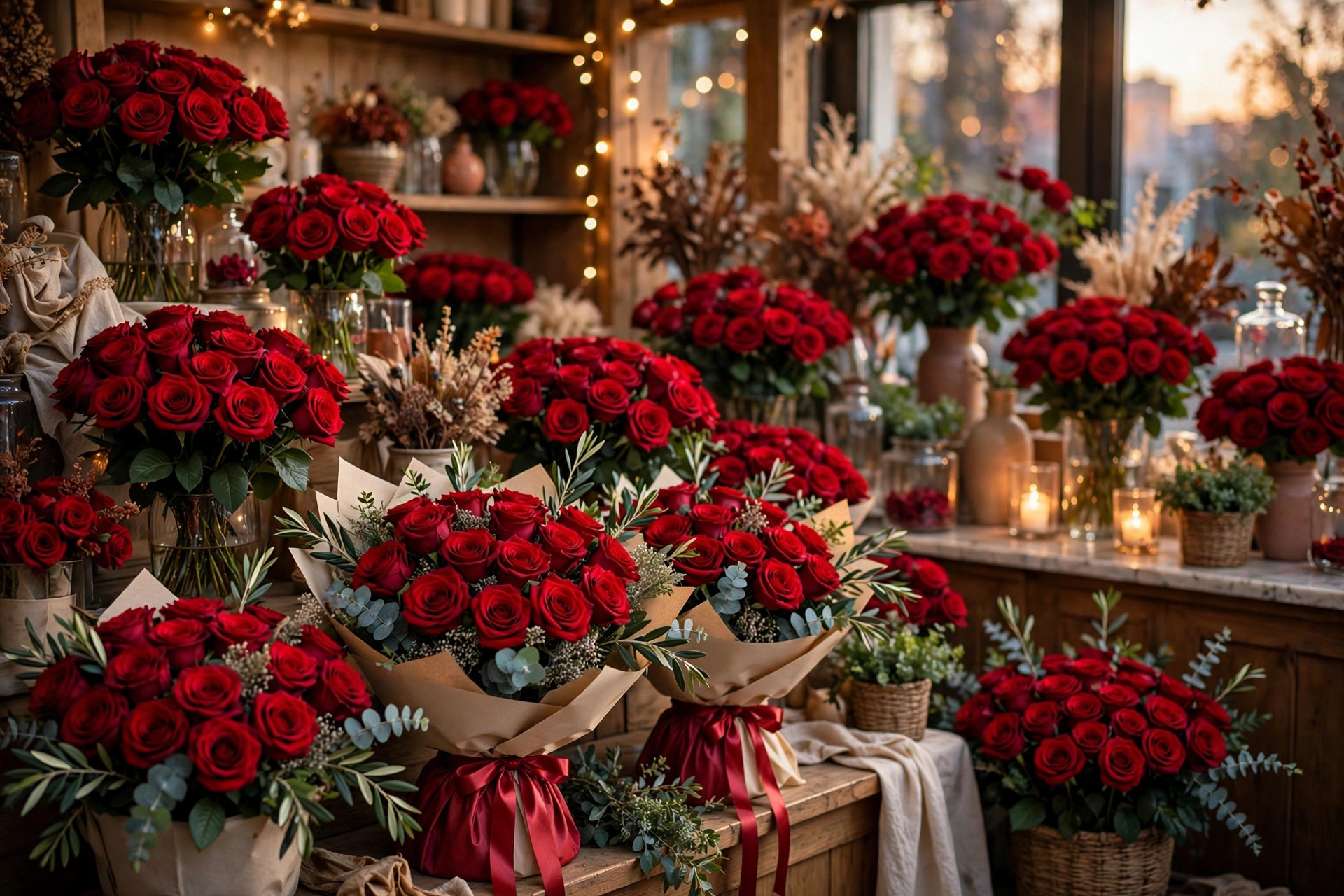
Valentine’s Day Roses Sale 2026 in Dubai: A Good Time to Plan Something Meaningful
Valentine’s Day has a way of arriving faster than expected. One moment it’s early January, and the next thing you know, restaurants are booked and