
Dubai is one of the most multicultural cities on earth — more than 200 nationalities live and work side by side — which makes flowers a wonderfully universal gift here. But that same diversity means a bouquet that delights in one culture can unintentionally offend in another. Knowing which flowers not to send in the UAE, and which colours, numbers, and occasions to handle with care, is one of the most valuable pieces of flower etiquette you can learn as a resident or visitor.
This guide isn’t about limiting your generosity; it’s about making sure your gift lands exactly as intended. From funeral-associated blooms to colour symbolism and the occasions when flowers aren’t the right gesture at all, here’s everything you need to send flowers in the UAE with confidence and cultural grace.
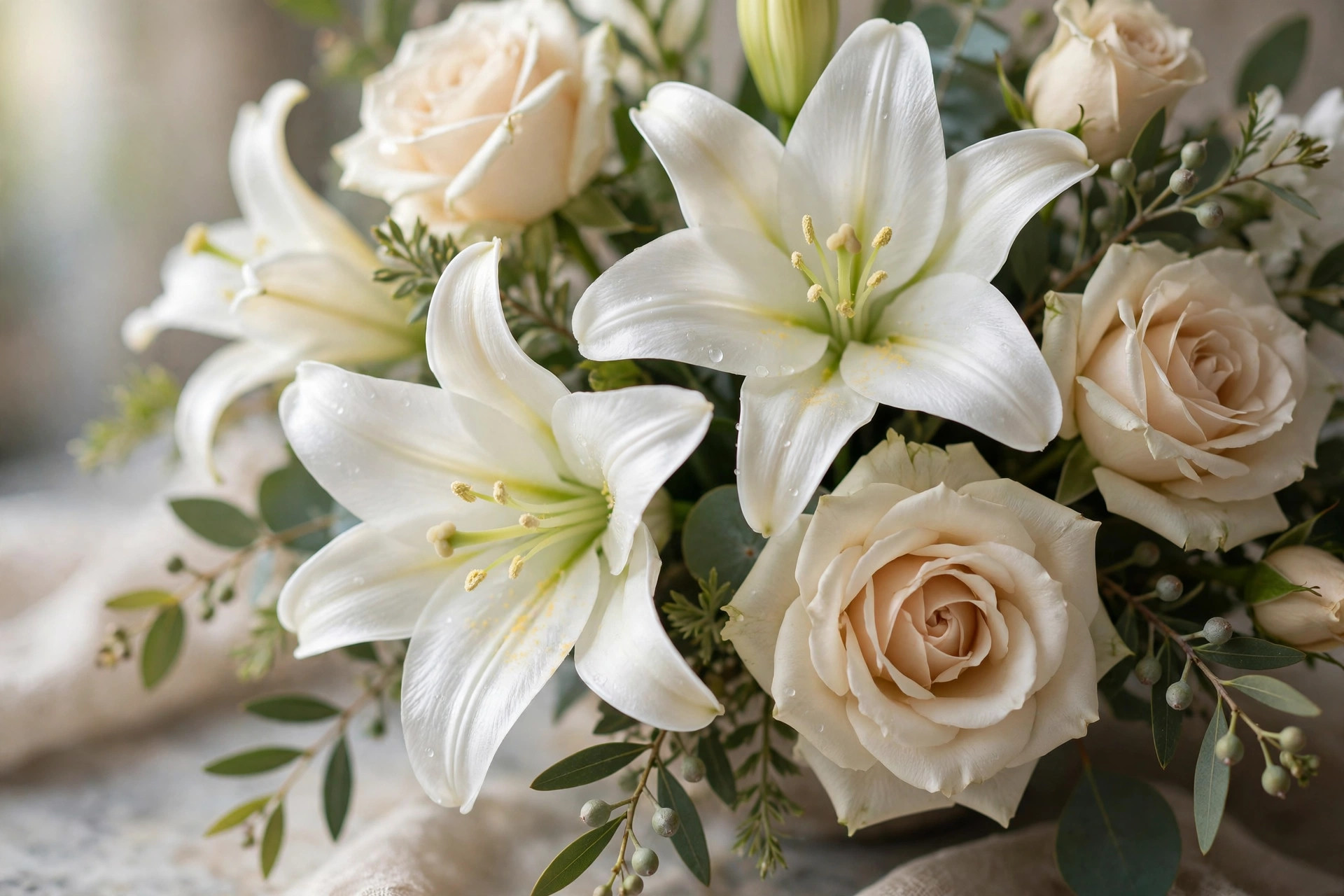
White Flowers: Beautiful, But Context Matters
White flowers are the trickiest territory in UAE flower etiquette. In many Western cultures, white lilies, white roses, and white chrysanthemums are elegant, pure, and perfectly appropriate for celebrations. In much of the Middle East and Asia, however, white is strongly associated with funerals and mourning. A bouquet of white lilies sent to celebrate a promotion or a new home can, to some recipients, read as a sympathy gesture — the opposite of what you intended.
The practical rule: reserve all-white arrangements for sympathy and condolence contexts, and choose colour for celebrations. If you love white blooms, mix them with blush pinks, soft yellows, or warm creams so the arrangement reads as joyful rather than funereal. When in doubt, ask the recipient’s family or a knowledgeable florist — this single question prevents the most common flower-gifting mistake in the UAE.
Chrysanthemums Deserve Special Caution
Chrysanthemums carry heavy funereal symbolism across many Asian cultures — they are the quintessential grave and memorial flower in countries like Japan, Korea, and China, all well represented in Dubai’s population. Sending chrysanthemums for a birthday or housewarming to someone from these backgrounds can cause genuine distress. If you are unsure of the recipient’s cultural background, simply avoid chrysanthemums for celebratory occasions and choose universally cheerful alternatives like gerberas, roses, or sunflowers.
Numbers and Superstitions
In some cultures, even numbers of flowers are reserved for funerals — this is a well-known convention in several European and post-Soviet traditions, and Dubai’s large Russian and Eastern European communities observe it. The safe approach when gifting to someone from these backgrounds is to send an odd number of stems (or a mixed arrangement where stems aren’t counted). For Chinese recipients, the number four should be avoided entirely, as it sounds like the word for death in Mandarin and Cantonese; eight, by contrast, is lucky and welcome.
You don’t need to memorise every culture’s numerology — but if you know the recipient’s background, a quick check with your florist about number customs is a thoughtful step that costs nothing and prevents embarrassment.
Religious Occasions: When Flowers Aren’t the Gesture
Understanding when not to send flowers at all is as important as knowing which ones to avoid. For Muslim funerals, flowers are generally not customary — the appropriate gesture is a personal visit or message of condolence, and sometimes a charitable donation in the deceased’s name. Sending a large funeral wreath to a Muslim family, however well meant, shows unfamiliarity with local custom. A simple, sincere condolence message is worth more than any arrangement.
During Ramadan, celebratory flower gifts remain welcome — a bouquet for iftar hosts is a lovely gesture — but keep arrangements modest rather than extravagant, in keeping with the month’s spirit of reflection. For Eid, flowers are a delightful gift, especially when paired with dates or sweets; bright, festive colours suit the celebratory mood. The key principle throughout: match the scale and tone of your gift to the occasion’s character.
Flowers in Business and Professional Contexts
Professional flower-giving in the UAE has its own etiquette. Lavish romantic blooms — red roses in particular — should never be sent to a business contact of the opposite gender, as they carry unmistakable romantic connotations that can create serious awkwardness. For corporate congratulations, thank-yous, or office openings, choose elegant neutral arrangements: orchids, lilies in soft colours, or sophisticated mixed bouquets in whites, greens, and pastels. Keep the card message professional and warm.
Colour Symbolism to Keep in Mind
Colour carries meaning everywhere, but in the UAE’s mix of cultures, a few associations are worth knowing. Red is the colour of romance and passion across most cultures — powerful for a partner, inappropriate for a colleague. Yellow flowers symbolise friendship and joy in Western tradition, but in some cultures yellow carries associations of jealousy or farewell; for a mixed-culture recipient, pair yellow with other cheerful colours rather than sending it alone. Purple suggests luxury and dignity and is generally safe and well received. Orange and bright tropical colours read as energetic and celebratory almost universally.
One combination to handle carefully: red and white together can evoke specific national or political associations depending on the viewer. This rarely causes real problems in a floral context, but for high-stakes corporate or diplomatic gifting, a florist experienced in the UAE market can steer you toward palettes that are beautiful without any unintended readings.
Fragrance, Allergies, and Practical Considerations
Beyond symbolism, practical taboos matter. Heavily fragrant flowers — oriental lilies, tuberose, hyacinth — can overwhelm in Dubai’s air-conditioned interiors and may trigger headaches or allergies. Never send intensely scented arrangements to a hospital room, a shared office, or a home with small children or elderly residents without checking first. Pollen-heavy lilies can also stain clothing and furniture; many florists remove lily anthers as standard practice, but it’s worth requesting.
For hospital visits in the UAE, check the facility’s policy before sending flowers at all — some intensive care units restrict them. And for new mothers, skip strong fragrances and opt for soft, cheerful, low-pollen blooms; the gesture is about comfort, not perfume.
How to Get It Right Every Time
The golden rule of flower gifting in the UAE is simple: when you know the recipient’s culture, honour it; when you don’t, choose universally safe options. Roses (except all-red for non-romantic recipients), orchids, gerberas, sunflowers, and mixed pastel arrangements are about as close to universally welcome as flowers get. A knowledgeable Dubai florist deals with these questions daily and can advise on the right choice for any recipient and occasion — never hesitate to explain who the flowers are for and let them guide you.
Finally, the card message matters as much as the blooms. A few sincere words in the recipient’s language — even a simple “Mabrook” (congratulations) or “Shukran” (thank you) for Arabic speakers — show cultural respect that elevates the entire gift. Thoughtfulness, more than extravagance, is what makes flowers meaningful in this wonderfully diverse city.
Real-World Scenarios: Putting Etiquette into Practice
Theory is useful, but etiquette comes alive in specific situations. Imagine you’re invited to an Emirati colleague’s home for dinner: a mixed bouquet in warm colours — never all-white — with a card reading “Shukran for your hospitality” is perfect; skip wine-adjacent gifts and let the flowers carry the gesture. Sending congratulations to a Chinese business partner on a new office? Choose red and gold tones (prosperity colours), avoid the number four in stem counts, and keep the message formal and warm.
Visiting a new mother at a Dubai hospital? Call ahead to check the ward’s flower policy, then send soft, low-fragrance blooms — pastel roses or lisianthus — in a modest arrangement she can enjoy without it dominating the room. Attending a South Asian wedding celebration? Flowers are welcome and colour is celebrated — marigolds, bright gerberas, and rich reds and oranges all suit the festive mood. The pattern across every scenario is the same: a moment’s thought about the recipient’s background transforms a generic gift into a culturally intelligent one.
Frequently Asked Questions
Are white flowers offensive in the UAE?
Not offensive, but potentially misread. White flowers are strongly associated with funerals and mourning in many Middle Eastern and Asian cultures. For celebrations, choose colourful arrangements or mix white blooms with blush, yellow, or cream tones so the bouquet reads as joyful.
Should I send flowers for a Muslim funeral in Dubai?
Generally no — flowers are not customary at Muslim funerals. The appropriate gesture is a personal condolence visit or message, and sometimes a charitable donation in the deceased’s name. For non-Muslim funerals in the UAE, white sympathy flowers and wreaths are appropriate.
Is it okay to send red roses to a business contact in the UAE?
It’s best avoided. Red roses carry strong romantic connotations that can create awkwardness in professional relationships. For corporate congratulations or thank-yous, choose orchids, lilies, or elegant mixed arrangements in neutral or pastel tones instead.
Are chrysanthemums a bad gift in Dubai?
They can be. Chrysanthemums are funeral flowers in several Asian cultures with large communities in Dubai, including Japanese, Korean, and Chinese. If you’re unsure of the recipient’s background, choose universally cheerful alternatives like gerberas, roses, or sunflowers for happy occasions.
Can I send flowers during Ramadan?
Yes — flowers remain a lovely gift during Ramadan, for example for iftar hosts. Keep arrangements tasteful and modest rather than extravagant, in keeping with the month’s reflective spirit, and bright festive colours are perfect for Eid celebrations.
What is the safest flower choice when I don’t know someone’s culture?
Mixed arrangements of roses, orchids, gerberas, or sunflowers in cheerful colours are about as universally welcome as it gets. Avoid all-white bouquets, chrysanthemums, and red roses for non-romantic recipients, and let your florist know the occasion so they can advise.
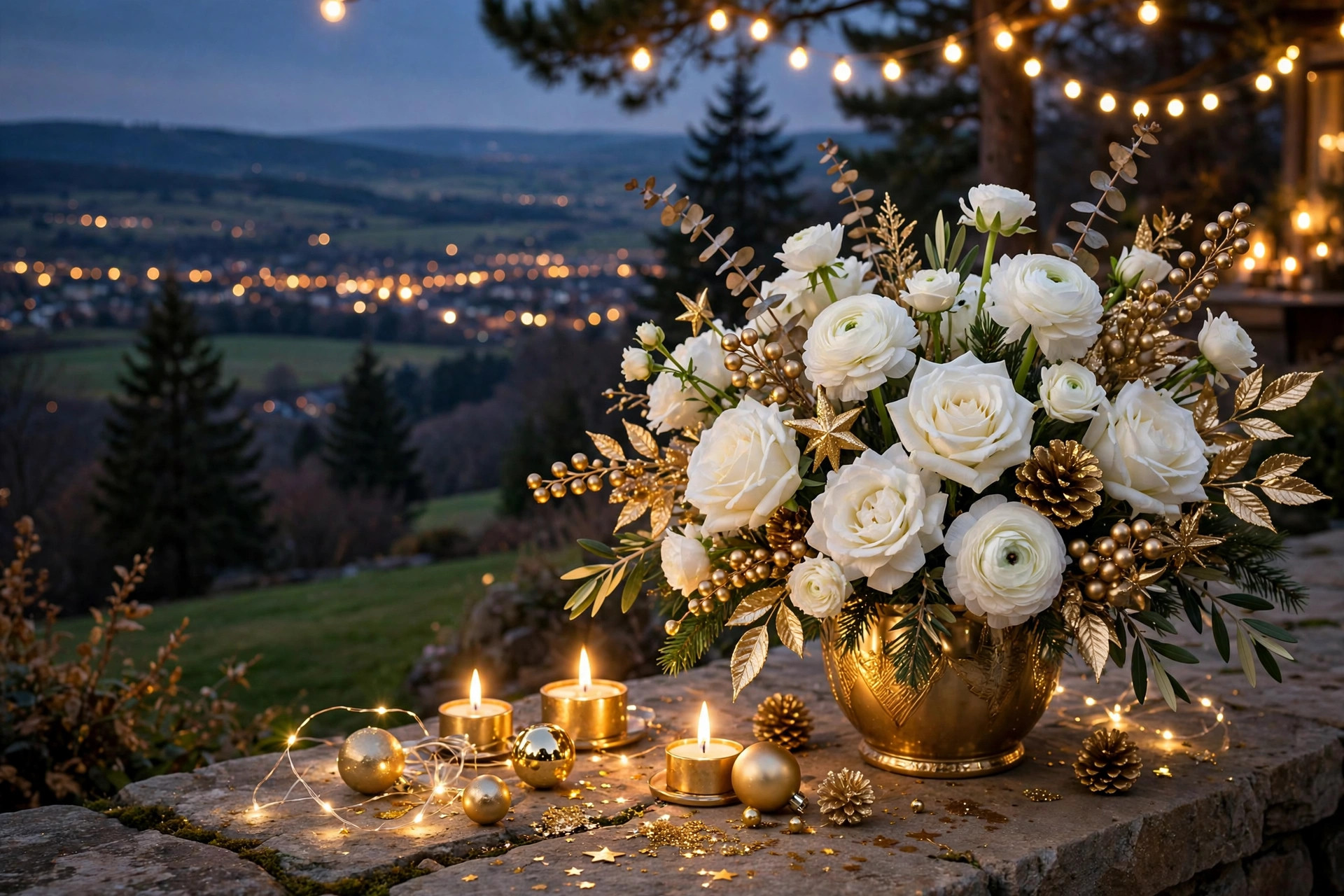
Best Flowers to Gift on New Year’s Eve
As the clock ticks down on the final moments of the year, people around the world gather to celebrate new beginnings. Among the fireworks and

Valentine’s Day Flower Gifts 2026 in Dubai
Valentine’s Day in Dubai never really feels quiet. Restaurants book out early, delivery slots disappear faster than expected, and people suddenly realize they should’ve planned

Same Day Flowers Delivery on Valentine’s Day 2026 in Dubai
Valentine’s Day has a way of sneaking up on us. One moment you’re thinking you have plenty of time, and the next — it’s already