
Dubai in August is not gentle. When the mercury pushes past 45°C and the humidity rolls in off the Gulf, even stepping outside feels like opening an oven door. It is natural to wonder: how does anything delicate survive here — let alone something as seemingly fragile as a flower? Yet walk into any Dubai mall, hotel lobby, or villa in midsummer and you will find blooms thriving. The secret is that florists in the Emirates have learned exactly which flowers can take the heat, and modern logistics keep the rest in climate-controlled comfort from farm to vase. This guide reveals which flowers genuinely survive the UAE climate — in your home, at your wedding, and in your garden.
Understanding the UAE Climate Challenge
The Emirates present flowers with a triple challenge. First, extreme heat: summer daytime temperatures regularly exceed 45°C, and even nights stay above 30°C. Second, humidity: coastal areas like Dubai and Abu Dhabi combine heat with Gulf moisture, which encourages fungal problems in delicate petals. Third, intense sun and desiccating winds, including the shamal, which strip moisture from anything exposed.
Flowers fight heat the same way we do — by losing water. A cut stem in a warm room transpires faster, wilting sooner; a garden plant in full August sun simply cooks. But evolution has equipped many species for exactly these conditions. Tropical flowers from Southeast Asia and equatorial regions evolved in heat and humidity far fiercer than Dubai’s, and they treat an Emirati summer as a mild inconvenience. The trick is knowing which ones they are.
The Heat Champions: Flowers That Thrive in UAE Warmth
Orchids
The undisputed queen of UAE floristry. Phalaenopsis, dendrobium, cymbidium, and vanda orchids all evolved in tropical heat, and they bloom gloriously in Dubai’s climate. As cut flowers they last two to three weeks; as plants they rebloom for years. If you want one flower that is guaranteed to survive the Emirates, make it an orchid.
Anthuriums
Those glossy, heart-shaped blooms are essentially waterproof — their waxy spathes shrug off heat and humidity that would destroy a rose in hours. Anthuriums last two to three weeks as cut flowers and are a staple of Dubai’s luxury arrangements for good reason.
Birds of paradise
Strelitzia’s dramatic orange-and-blue blooms look like they were designed for the Emirates. They are tough, long-lasting (up to two weeks in a vase), and their architectural form suits modern Dubai interiors.
Ginger and heliconia
Tropical showstoppers with thick, waxy bracts that handle heat beautifully. They bring drama to large arrangements and event décor, lasting well over a week.
Carnations
The humble carnation is far tougher than its price suggests. Its ruffled petals resist wilting, and it routinely outlasts roses by several days in warm rooms — one of the best value heat-survivors for everyday bouquets.
Chrysanthemums
Dense, sturdy blooms that hold up remarkably well in warmth. Their long vase life (often two weeks or more) makes them a smart choice for arrangements that need to look fresh for days, such as office displays and event décor.
Alstroemeria
These Peruvian lilies last up to two weeks in a vase and tolerate warm conditions better than most delicate-looking flowers. Excellent for mixed bouquets that need staying power.
Sunflowers
Quite literally built for sun. Sunflowers handle heat with ease, though their large heads drink a lot of water — keep the vase topped up.
Proteas
South African natives accustomed to harsh sun. Their sculptural, leathery blooms last for weeks and bring an exotic edge to luxury arrangements.
Succulents and cacti in arrangements
For the ultimate survivors, many Dubai florists now build arrangements around succulents paired with a few fresh tropical stems — desert plants that consider August a spa day.
Flowers That Struggle in the Heat (and How to Help Them)
Some beloved flowers are simply not built for 45°C. Sweet peas, ranunculus, anemones, and peonies are cool-climate beauties that wilt quickly in warmth — which is why Dubai’s florists treat them as precious winter-season specialties, flown in and kept in cold-chain from airport to vase. Tulips, too, are cool-weather flowers; they can look tired within days in a warm room.
That doesn’t mean you must avoid them — it means managing expectations and conditions. If you adore peonies, order them for a winter wedding rather than an August one. Keep heat-sensitive bouquets in the coolest room, away from windows, and change their water daily. And consider preserved roses for summer romance: all the beauty of roses with total immunity to temperature.
Keeping Cut Flowers Alive Through a UAE Summer
- Choose heat-hardy varieties. Orchids, anthuriums, carnations, and chrysanthemums are your summer all-stars.
- Mind the journey home. The most dangerous moment for summer flowers is the hot car. Transport bouquets in air-conditioned comfort, never in a parked car’s boot — fifteen minutes at 60°C can destroy a bouquet.
- Cool water, cool room. Display arrangements in the coolest part of the home, away from sun-facing windows. Some florists recommend adding a few ice cubes to vase water on the hottest days.
- Change water daily in summer. Bacteria multiply explosively in warmth; daily fresh water with flower food makes a dramatic difference.
- Mist tropicals. Orchids and anthuriums appreciate a light misting, which mimics their native humidity.
- Recut stems every few days. Warm water accelerates bacterial blockage of stem ends; a fresh angled cut reopens them.
- Consider the evening. For summer weddings and events, schedule flower-heavy moments — the bouquet toss, the outdoor photos — for after sunset when temperatures drop.
Growing Flowers in a UAE Garden
Dubai’s villa gardens and balcony planters can absolutely bloom — you just plant with the climate, not against it. The gardening year in the Emirates is inverted: plant in October and November as temperatures fall, enjoy flowers through the mild winter and spring, and let heat-lovers carry the summer.
Winter champions (plant October–November)
Petunias, marigolds, geraniums, and bougainvillea (which flowers nearly year-round) create spectacular winter colour. Desert rose (adenium) — the “impala lily” — is a UAE garden icon with stunning trumpet flowers. Frangipani (plumeria) perfumes courtyards through the warm months.
Summer survivors
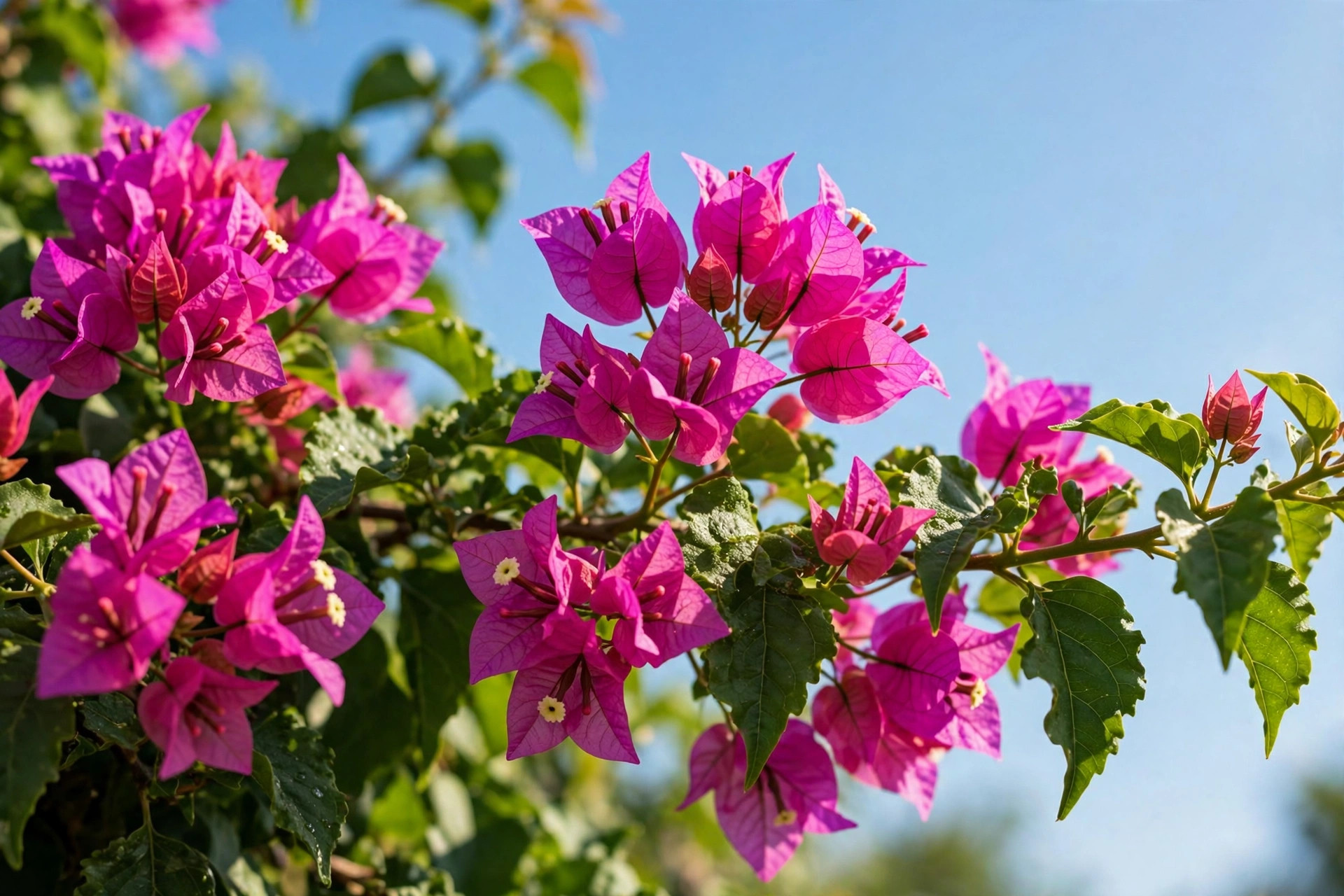
Bougainvillea, hibiscus, ixora, and portulaca bloom through the fiercest heat. Oleander flowers all summer but is highly toxic — beautiful for public landscaping, a poor choice near curious children or pets. Date palms and native ghaf trees provide the shade that makes everything else possible.
Container wisdom
Pots dry out fast in the shamal wind — use large containers, mulch the surface, and water deeply in the early morning. Drip irrigation on a timer is the Dubai gardener’s best friend. And remember: even the toughest plant appreciates afternoon shade in August.
Weddings and Events in the Heat
Dubai hosts spectacular weddings year-round, including in summer — and florists have the playbook. For hot-weather events, professionals favour tropicals (orchids, anthuriums, birds of paradise), preserved roses for bridal bouquets that must survive hours of photography, and silk accents for outdoor ceremony arches in direct sun. Real-flower installations are assembled as late as possible and misted continuously. If you are planning a summer wedding in the Emirates, tell your florist the venue’s sun exposure honestly — a good one will design around it, and your flowers will look flawless in every photograph.
Balcony Flowers That Beat the Heat
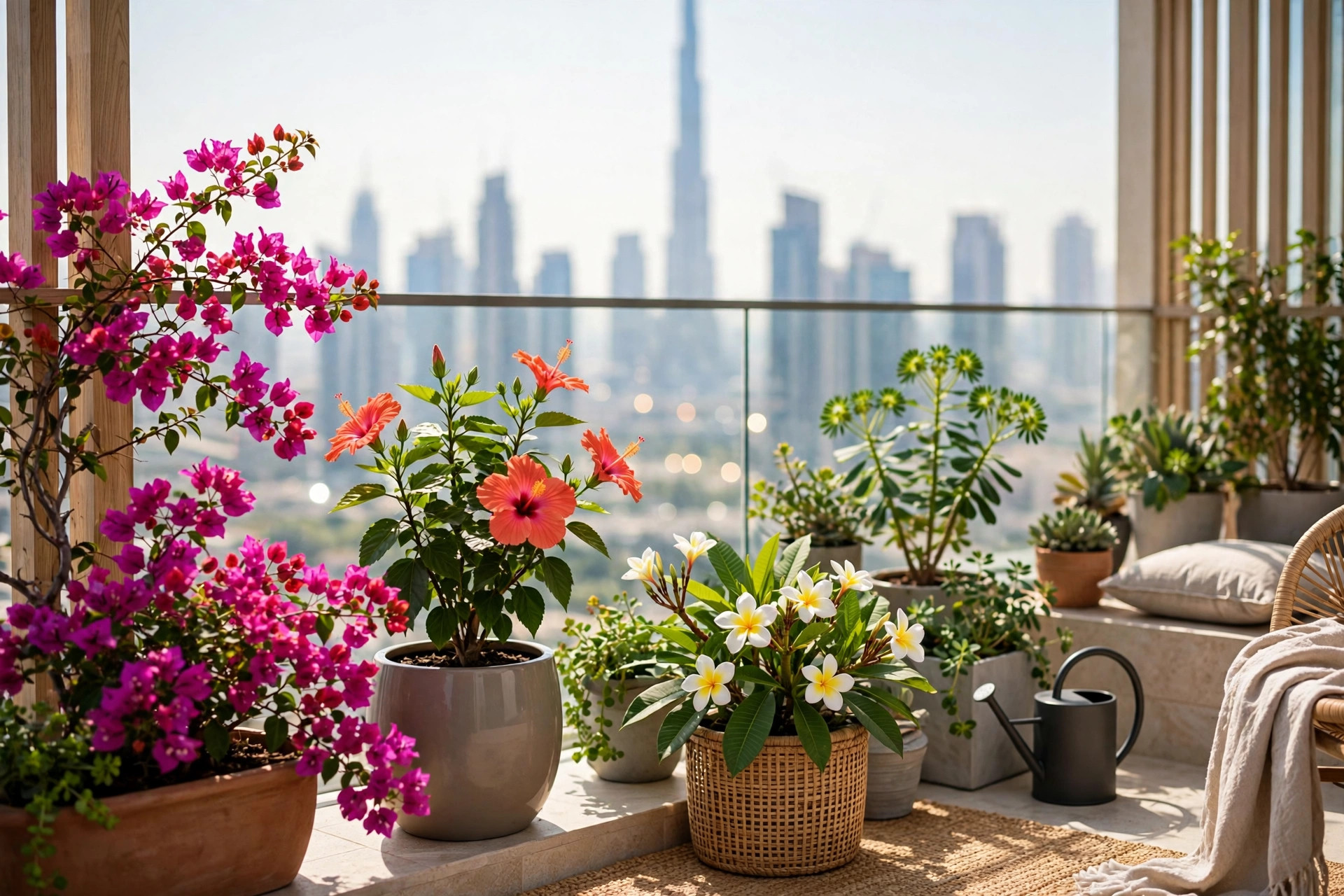
Not everyone in Dubai has a villa garden — but balconies can bloom spectacularly with the right choices. Bougainvillea in a large pot will cascade over a Marina balcony railing in shocking magenta nearly year-round. Portulaca (moss rose) opens its jewel-like flowers each morning and shrugs off reflected heat from glass towers. Vincas (periwinkle) flower tirelessly through summer in whites, pinks, and reds. Desert rose (adenium) makes a sculptural, almost bonsai-like balcony specimen with stunning trumpet blooms. Use the largest pots you can fit — small pots cook roots in August — and cluster pots together so they shade each other’s soil. A simple drip line on a battery timer, available at any Dubai garden centre, turns balcony gardening from a chore into a joy, even when you’re travelling.
Frequently Asked Questions
Which cut flowers last longest in Dubai’s summer heat?
Orchids, anthuriums, carnations, chrysanthemums, birds of paradise, and alstroemeria are the top heat-survivors, routinely lasting one to three weeks. Avoid delicate cool-climate blooms like sweet peas and ranunculus in summer.
How do I transport flowers safely in a hot car in the UAE?
Keep the air-conditioning on, place the bouquet on the seat (never the boot), and get it into cool water as quickly as possible. Even fifteen minutes in a parked car at summer temperatures can ruin fresh flowers.
Can I grow flowers outdoors in Dubai?
Yes — plant in October–November for winter colour (petunias, marigolds, geraniums) and rely on heat-lovers like bougainvillea, hibiscus, desert rose, and frangipani for summer. Large pots, mulch, and morning watering are the keys.
Are preserved roses a good option for UAE summers?
They are ideal — preserved roses are completely unaffected by heat and humidity, need no water, and stay beautiful for up to a year. Many Dubai couples choose them for summer weddings and proposals.
Why do my flowers wilt so fast in Dubai?
Heat accelerates water loss and bacterial growth in vase water. Combat it by choosing heat-hardy varieties, changing water daily in summer, displaying arrangements in the coolest room away from sun, and recutting stems every few days.
What flowers are best for a summer wedding in Dubai?
Orchids, anthuriums, birds of paradise, and other tropicals handle heat best; preserved roses are perfect for bridal bouquets that must survive hours of photography. Discuss sun exposure with your florist so the designs are built for the conditions.
Best Flowers to Gift on New Year’s Eve
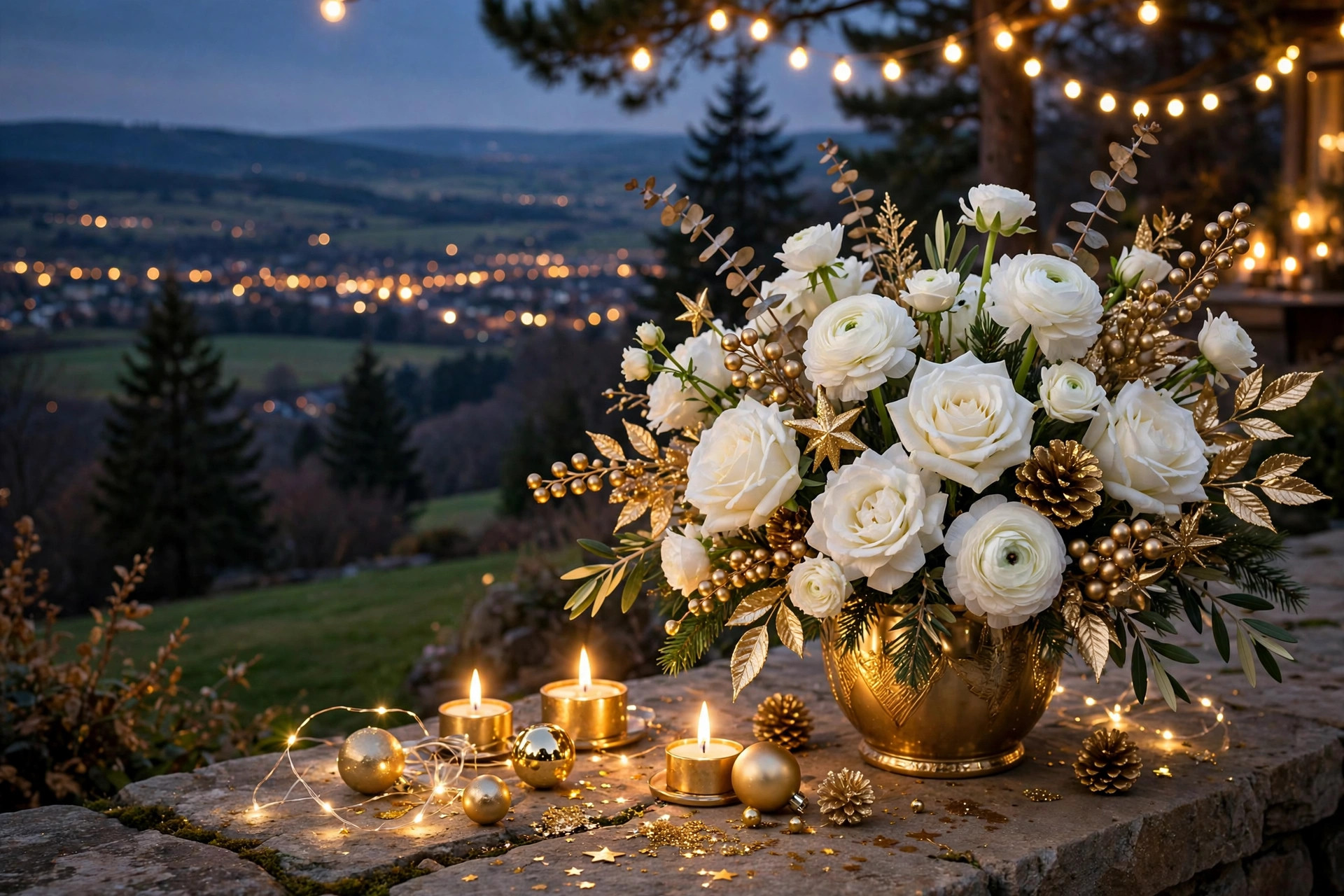
As the clock ticks down on the final moments of the year, people around the world gather to celebrate new beginnings. Among the fireworks and

Valentine’s Day Flower Gifts 2026 in Dubai
Valentine’s Day in Dubai never really feels quiet. Restaurants book out early, delivery slots disappear faster than expected, and people suddenly realize they should’ve planned
Same Day Flowers Delivery on Valentine’s Day 2026 in Dubai
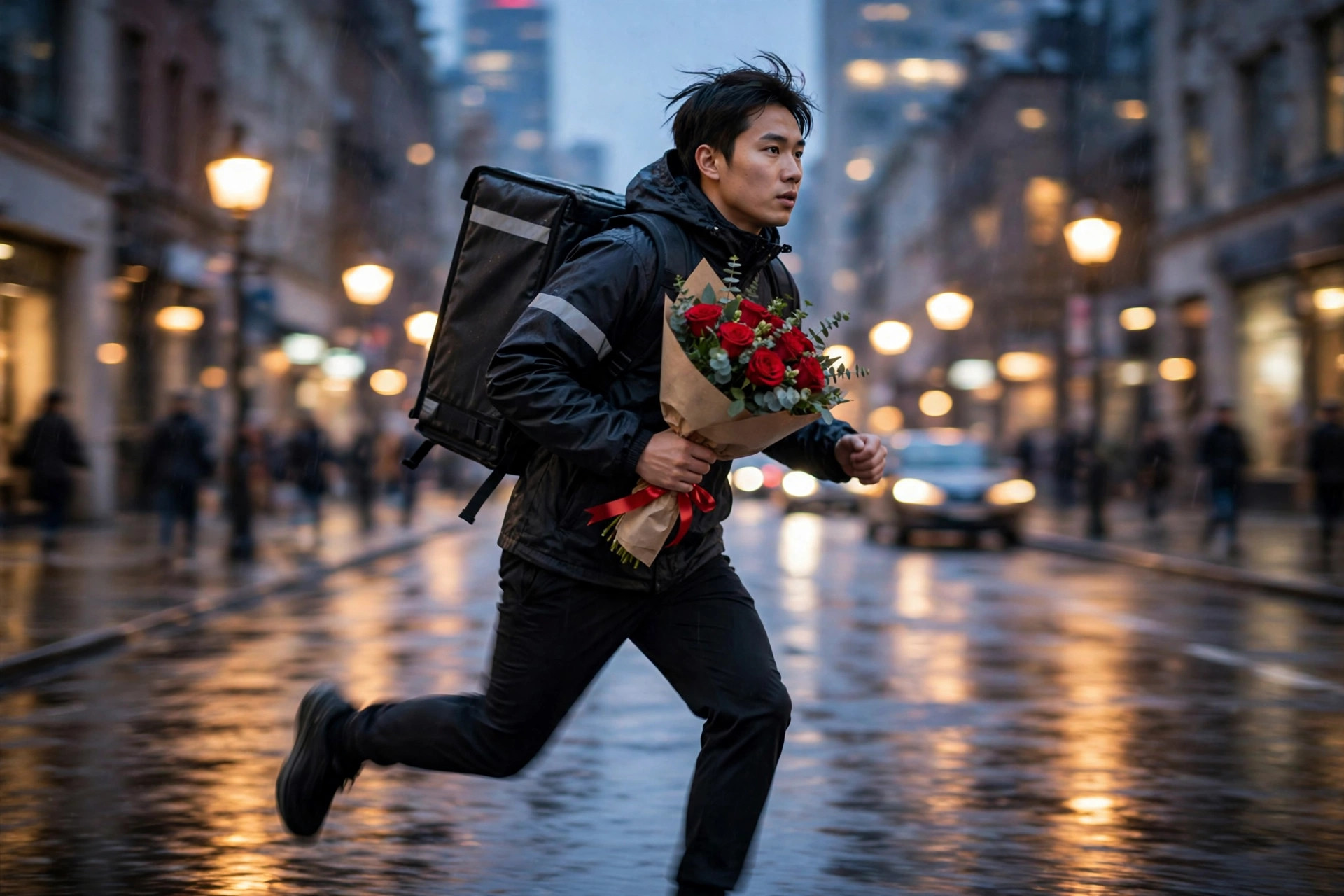
Valentine’s Day has a way of sneaking up on us. One moment you’re thinking you have plenty of time, and the next — it’s already