
Walk through any Dubai mall and you will see all three: fresh roses wilting gently in the afternoon heat, preserved roses glowing under glass domes, and silk orchids so convincing you have to touch them to be sure. The preserved vs fresh flowers debate — with artificial blooms as the third contender — is one of the most practical questions in modern gifting. Each has real strengths and real weaknesses, and the honest answer to “which wins?” is: it depends on what you need the flowers to do. Here is the full, unbiased comparison.
Fresh Flowers: The Original
Fresh cut flowers are what flowers have always been: living stems, cut at their peak, arranged and delivered to be enjoyed for days. Their case rests on three things no alternative can replicate.
Strengths
- Scent: Real fragrance — rose, jasmine, lily, freesia — is a dimension of the gift that preserved and artificial flowers simply cannot offer. Scent is memory’s strongest trigger; a fragrant bouquet is remembered for years.
- Natural beauty: The subtle imperfections, the way petals catch light, the gentle opening of buds over days — fresh flowers are alive, and you can feel it.
- Variety: Hundreds of species and thousands of varieties, changing with the seasons. Peonies in spring, tulips in winter, dahlias in autumn — fresh flowers connect you to the turning year.
- Emotional language: Fresh flowers remain the universal symbol of care precisely because they are ephemeral. Their impermanence is the point: “I chose something beautiful knowing it would fade, because the moment mattered.”
Weaknesses
- Lifespan: 5 to 14 days depending on variety and care — shorter in Dubai’s summer heat.
- Maintenance: Water changes, stem trimming, cool placement. Neglect them and they punish you visibly.
- Allergies: Pollen affects sensitive recipients; some workplaces restrict fragrant flowers.
- Heat vulnerability: In a Dubai summer, fresh flowers demand air-conditioned transport and prompt indoor placement.
Preserved Flowers: Real Blooms, Frozen in Time
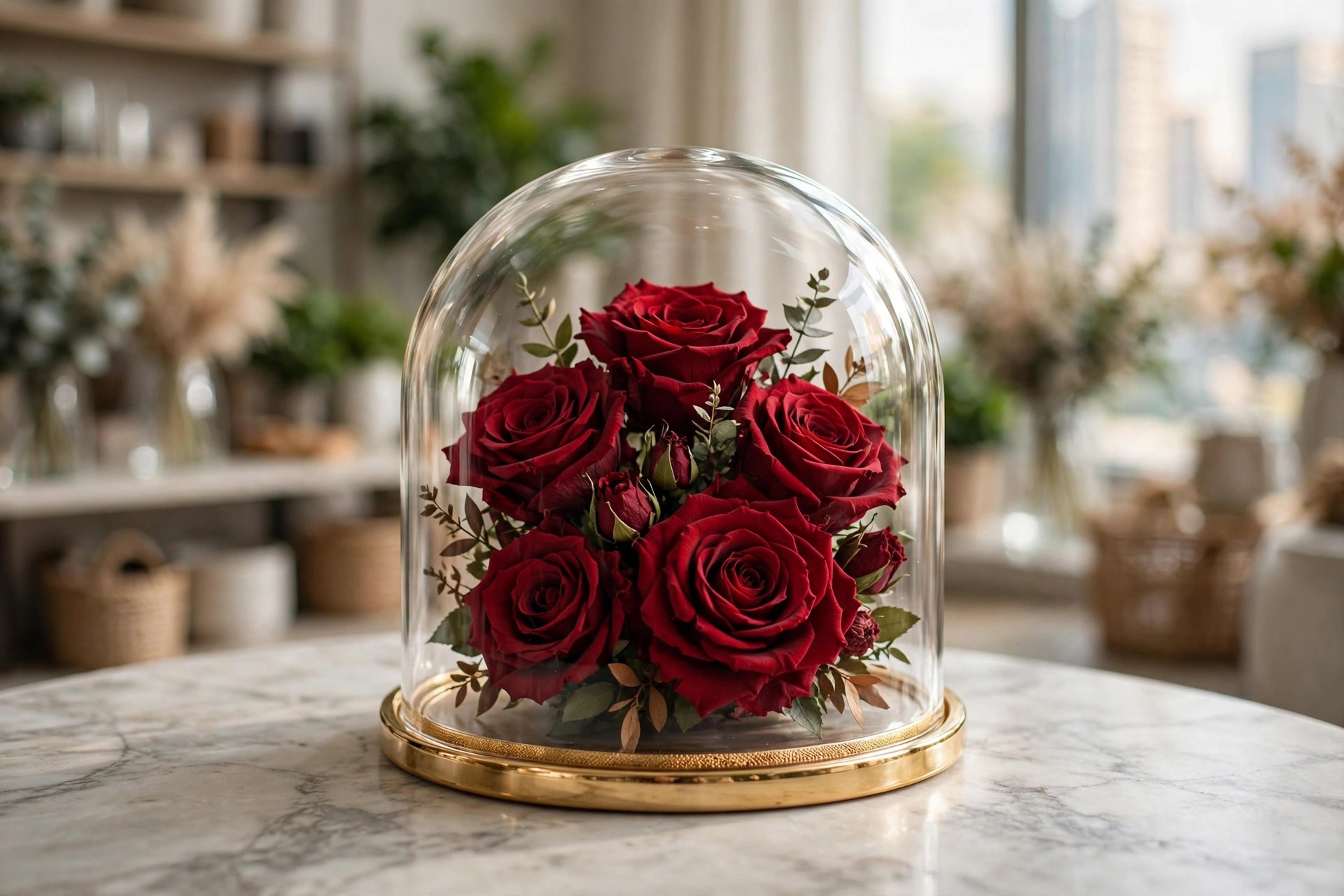
Preserved flowers are 100% real flowers that have undergone a treatment — typically a glycerine-based solution that replaces the plant’s sap — halting decay while keeping the bloom’s natural texture, shape, and (mostly) colour. Preserved roses under glass domes became Dubai’s signature luxury gift in the 2010s, and the category has matured considerably since.
Strengths
- Longevity: 1 to 3 years with minimal care — sometimes longer. This is the headline advantage and it is genuine.
- Zero maintenance: No water, no trimming, no wilting. Dust occasionally; that is the entire care routine.
- Real-flower feel: Unlike silk, preserved blooms are actual petals with natural texture. They look and feel authentic because they are.
- Heat resilience: No water means no bacterial soup in a hot Dubai apartment. Preserved arrangements survive summer conditions that would destroy fresh flowers.
- Design possibilities: Preserved flowers hold dye beautifully, enabling colours nature never made — black roses, pastel rainbow arrangements — and they work in hat boxes, domes, and wall installations.
Weaknesses
- No fragrance: The preservation process removes scent. Some manufacturers add artificial fragrance, but it is never the real thing.
- Higher upfront cost: Quality preserved arrangements typically cost more than an equivalent fresh bouquet — you are paying for the treatment and the years of display.
- Fragility: Preserved petals are delicate and can be brittle. They do not bounce back from rough handling the way fresh stems do.
- Humidity sensitivity: In very humid conditions (or direct water contact), preserved flowers can weep dye or soften. Keep them dry — ironic, but true.
- Quality varies wildly: The market ranges from exquisite to sad. Poorly preserved flowers look dusty and tired within months. Buy from reputable makers.
Artificial Flowers: The Silk Contenders
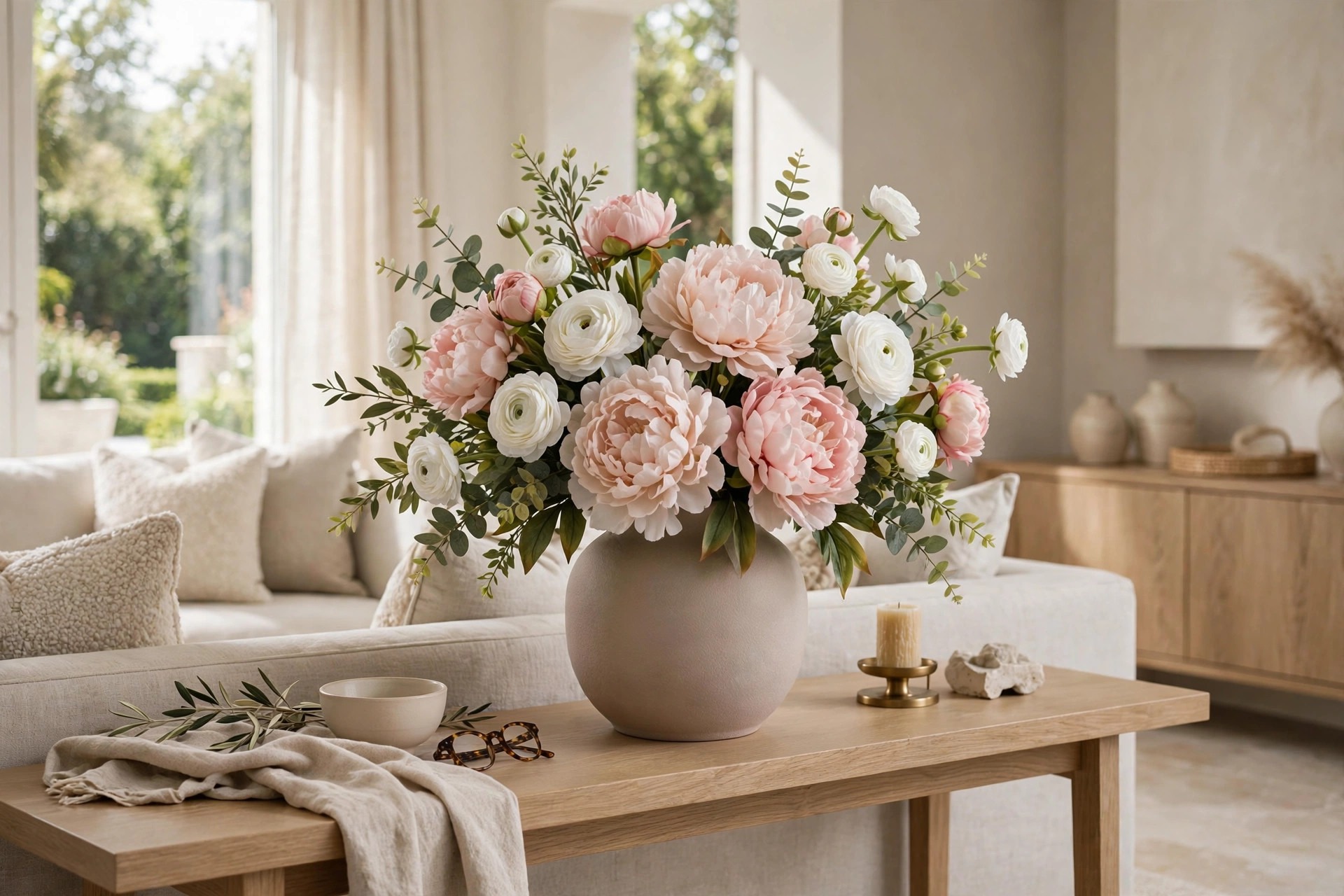
Modern artificial flowers — silk, latex, and high-grade polyester — have evolved far beyond the dusty plastic roses of decades past. Premium artificial arrangements, especially orchids and peonies, can fool the eye from across a room.
Strengths
- Permanence: Years to decades. The only flowers that truly never die.
- Total versatility: Any flower, any season, any colour — including out-of-season and exotic varieties. Peonies in December? No problem.
- Zero care and zero allergens: No water, no pollen, no scent issues. Ideal for offices with policies, hospitals, and allergy sufferers.
- Cost per year: A quality artificial arrangement’s cost spread over five years is tiny compared to replacing fresh flowers weekly.
Weaknesses
- The uncanny factor: Up close, even the best silk reveals itself — uniform petals, no scent, no natural variation. As a gift, artificial flowers can read as impersonal unless the recipient specifically loves them.
- Dust magnets: In Dubai’s dusty environment, artificial flowers need regular cleaning to avoid looking grimy. Neglected silk looks worse than no flowers at all.
- Environmental cost: Plastic flowers are petroleum products that eventually become landfill. Fresh flowers compost; preserved flowers are biodegradable.
- Gifting etiquette: For romantic or sympathy occasions, artificial flowers can feel like a lesser gesture. They shine brightest as decor, not as gifts.
Head-to-Head: Which Wins for Each Situation?
- Romantic gestures (anniversaries, proposals, Valentine’s): Fresh wins. Romance demands the real, the fragrant, the ephemeral. A preserved rose dome is a lovely second gift; it should not be the first.
- Corporate reception areas: Preserved or high-quality artificial wins. They look perfect every day with zero maintenance, and no one waters the reception flowers on weekends.
- Weddings: Fresh for bouquets and photography (nothing photographs like the real thing); preserved or artificial for installations that must survive hours of setup in heat.
- Long-distance gifting: Preserved wins. It arrives perfect and stays perfect — no anxiety about whether the recipient changed the water.
- Allergy sufferers: Preserved or artificial. Fragrance-free and pollen-free.
- Home decor (long-term): Preserved for natural beauty that lasts; artificial for total freedom of choice.
- Sympathy: Fresh. The living, fading flower honours the moment’s gravity in a way preserved blooms cannot.
- Budget gifting with lasting impact: Preserved — the per-day cost over a year beats replacing fresh bouquets.
Caring for Preserved Flowers in Dubai
If you choose preserved, protect the investment: keep arrangements out of direct sunlight (UV fades the dyes over time), never water or mist them, avoid humid bathrooms, and dust gently with a soft brush or cool hairdryer. In Dubai’s air-conditioned dryness, preserved flowers are actually in their element — low humidity is their friend.
The Honest Verdict
Fresh flowers win on emotion, scent, and authenticity. Preserved flowers win on longevity, convenience, and heat resilience. Artificial flowers win on permanence, versatility, and cost-per-year. None is universally “best” — the winner is whichever serves the moment.
The most sophisticated approach? Use all three where each excels: fresh bouquets for the gestures that matter, preserved arrangements for lasting decor and travel-proof gifts, and quality artificial stems for the spots where nothing living survives. A home with fresh roses on the dining table, a preserved dome in the hallway, and silk orchids in the bathroom is not indecisive — it is well-designed.
If you are leaning toward the living option, our guide to ordering flowers online in Dubai walks through the process step by step — and for a fresh bloom with exceptional vase life, explore orchids in Dubai, nature’s own long-lasting luxury.
The Real Cost Over Time
Let’s talk money honestly. A fresh bouquet that you replace every two weeks costs, over a year, roughly 26 bouquets. A quality preserved arrangement bought once lasts one to three years. On pure arithmetic, preserved flowers are often the economical choice for permanent display spots — the reception desk, the hallway console, the office that must look good every single day.
But arithmetic misses the point of gifting. Nobody sends anniversary flowers as a cost-per-day optimisation. Fresh flowers are an experience purchase — like a fine dinner, valued for the moment, not amortised. The savvy approach is portfolio thinking: invest in preserved or artificial for the permanent display locations where consistency matters, and spend on fresh for the moments where emotion matters. Your wallet and your relationships both win.
Frequently Asked Questions
How long do preserved flowers really last?
Quality preserved flowers last 1 to 3 years, sometimes longer, with minimal care. Keep them out of direct sunlight, never expose them to water or high humidity, and dust them gently. Poor-quality preserved flowers may deteriorate within months, so buy from reputable makers.
Are preserved flowers real flowers?
Yes. Preserved flowers are 100% real blooms treated with a glycerine-based solution that replaces their sap and halts decay. They keep their natural texture and shape. The process removes their scent, though some makers add artificial fragrance.
Do preserved roses smell like real roses?
No — the preservation process removes natural fragrance. This is the single biggest trade-off versus fresh flowers. If scent matters for your occasion (romance, especially), fresh flowers are the better choice.
Are artificial flowers tacky as a gift?
It depends on context. Premium artificial arrangements make excellent long-term decor gifts, especially for offices or allergy sufferers. But for romantic, celebratory, or sympathy occasions, fresh or preserved flowers carry more emotional weight. When in doubt, choose real.
Which is more eco-friendly: fresh, preserved, or artificial?
Fresh and preserved flowers are biodegradable; preserved flowers additionally avoid the repeated farming, shipping, and refrigeration footprint of replacing fresh bouquets. Artificial flowers are plastic products with the largest long-term environmental cost, though their multi-year lifespan offsets some of it.
Can preserved flowers survive a Dubai summer?
Yes — often better than fresh flowers. With no water to breed bacteria and no wilting, preserved arrangements handle heat well. Just keep them out of direct sun (which fades dyes) and away from humidity sources like bathrooms or misting.
Valentine’s Day Flower Gifts 2026 in Dubai
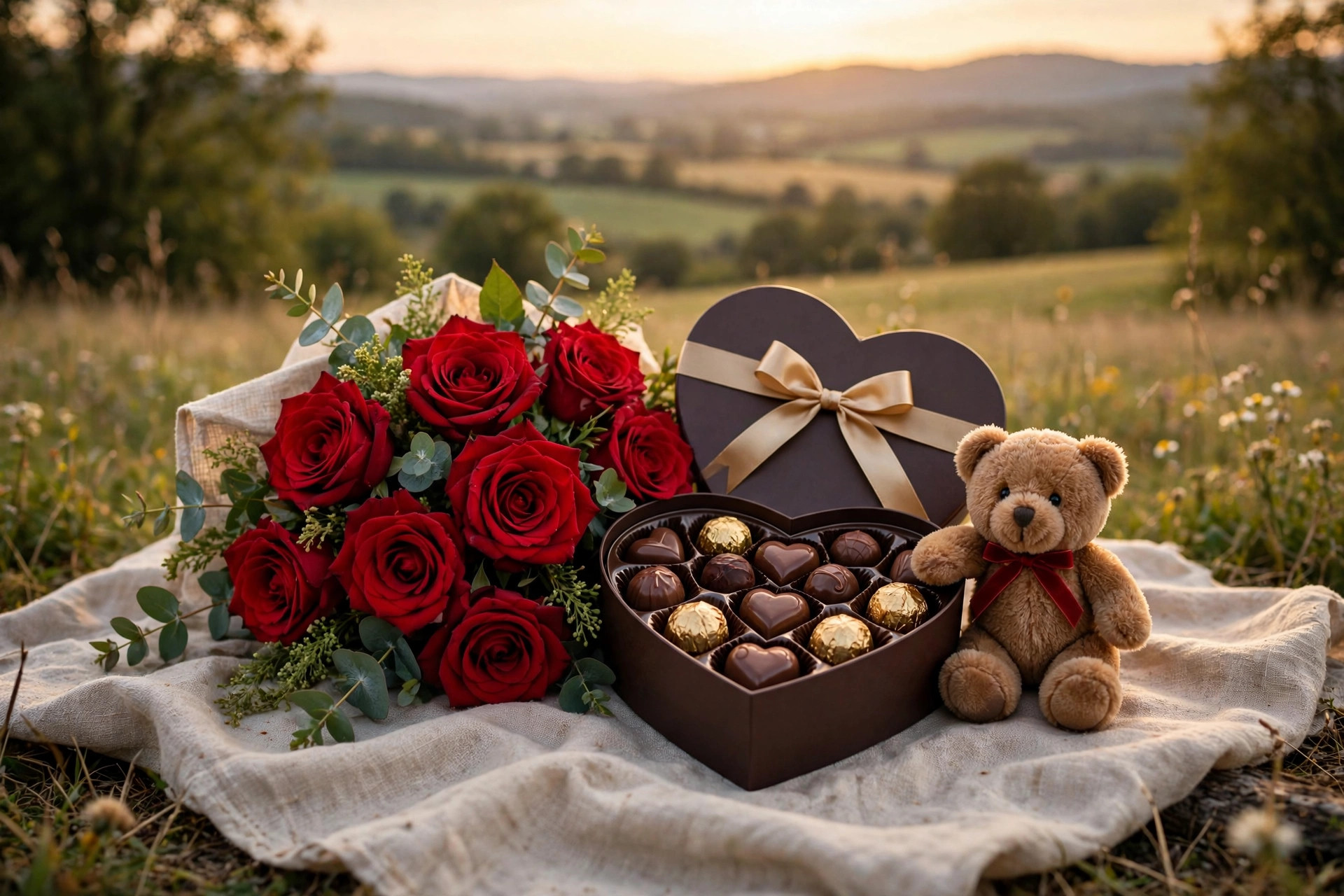
Valentine’s Day in Dubai never really feels quiet. Restaurants book out early, delivery slots disappear faster than expected, and people suddenly realize they should’ve planned
Same Day Flowers Delivery on Valentine’s Day 2026 in Dubai
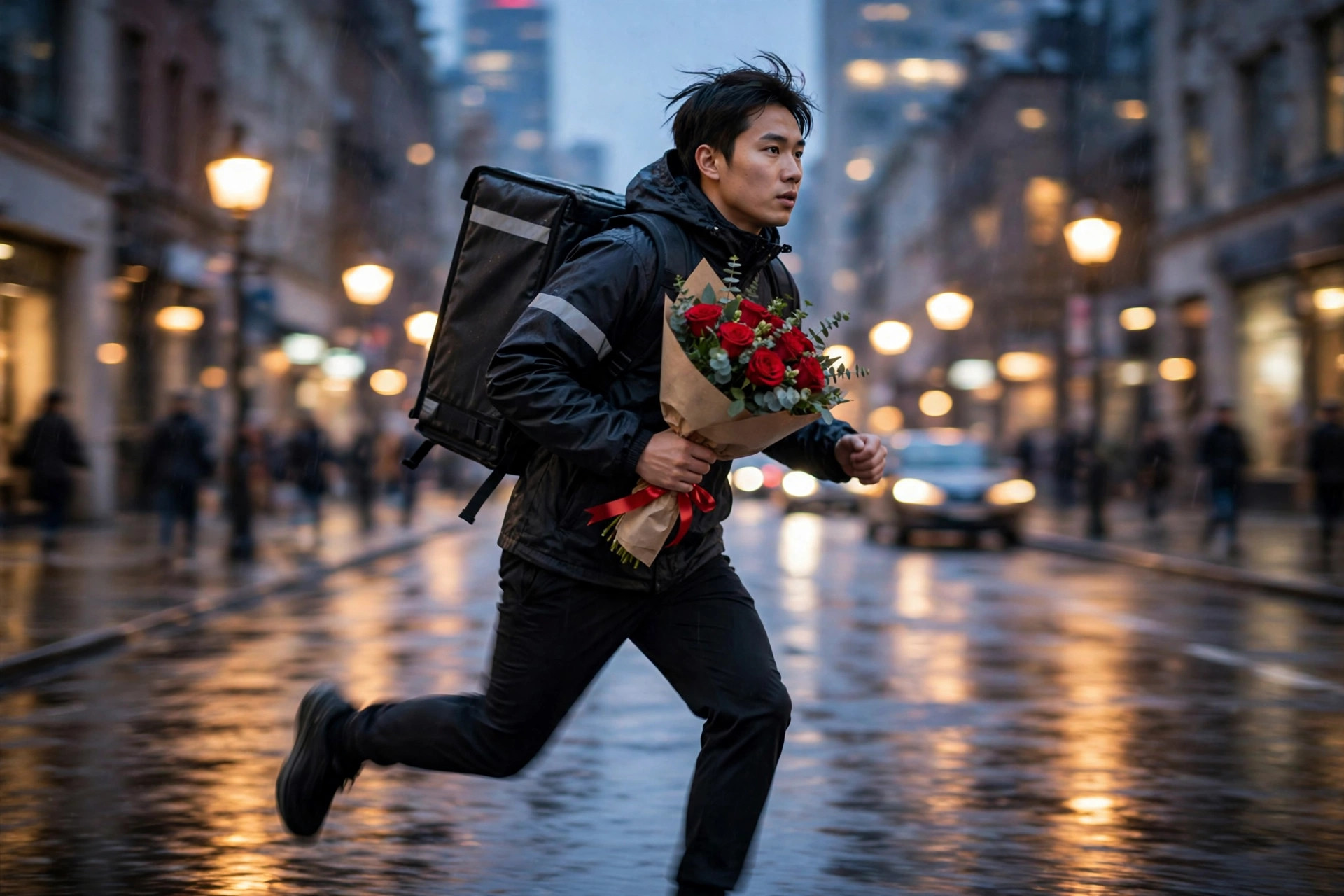
Valentine’s Day has a way of sneaking up on us. One moment you’re thinking you have plenty of time, and the next — it’s already
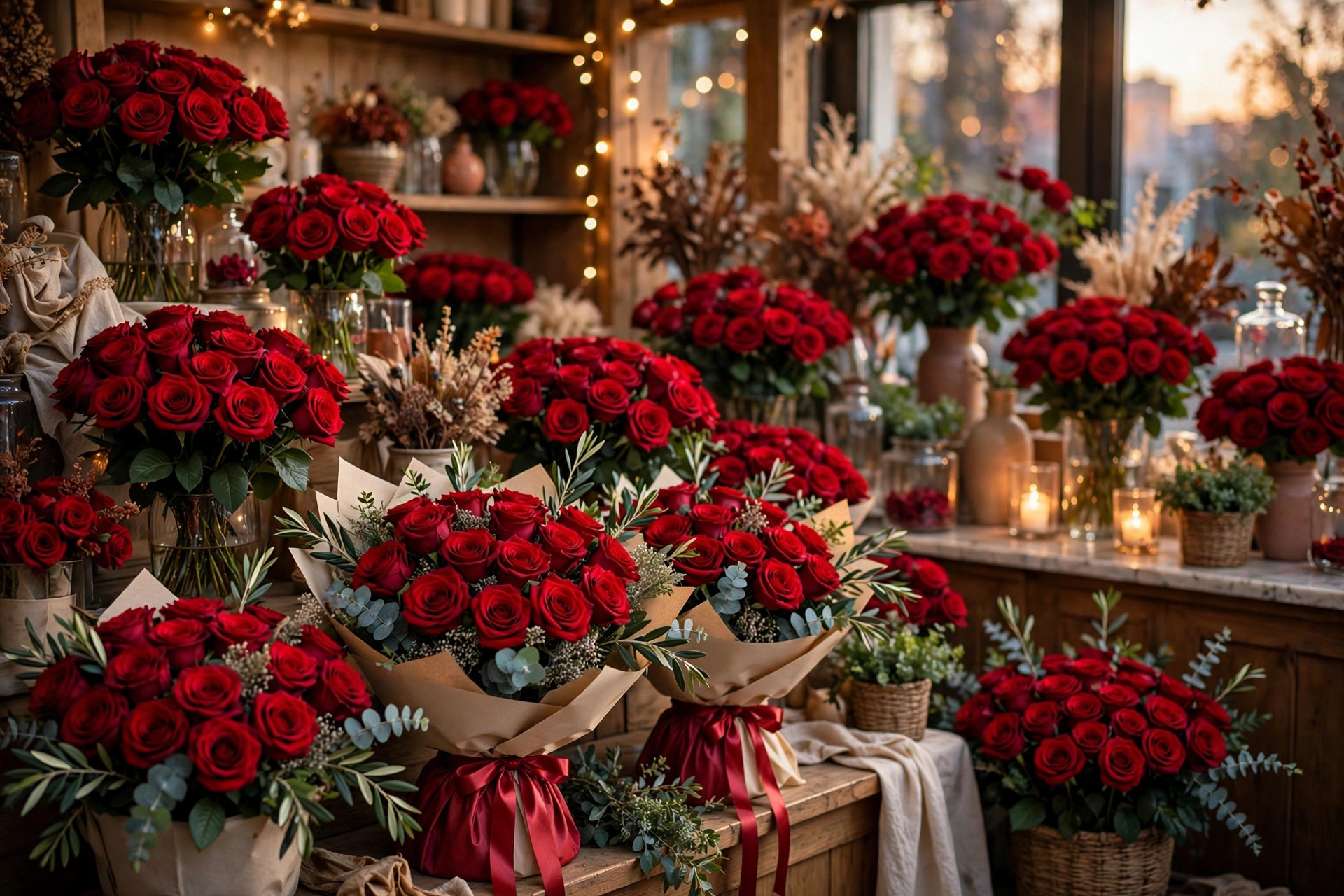
Valentine’s Day Roses Sale 2026 in Dubai: A Good Time to Plan Something Meaningful
Valentine’s Day has a way of arriving faster than expected. One moment it’s early January, and the next thing you know, restaurants are booked and