
Dubai’s relationship with flowers is unlike anywhere else: almost nothing grows locally at scale, yet the city enjoys one of the world’s richest floral selections year-round, flown in daily from flower farms across the globe. That means “seasonal flowers” in the UAE doesn’t mean what grows nearby — it means what’s at its best, most abundant, and most beautiful in global supply at any given time, shaped by Dubai’s own rhythm of weddings, festivals, and weather.
Understanding the UAE’s seasonal flower calendar helps you choose blooms that look fresher, last longer, and offer better value — and to plan weddings, events, and gifts around nature’s timetable rather than against it. This guide walks through the year season by season: what’s shining, what’s scarce, and how Dubai’s unique calendar of celebrations intersects with the world’s flower seasons.
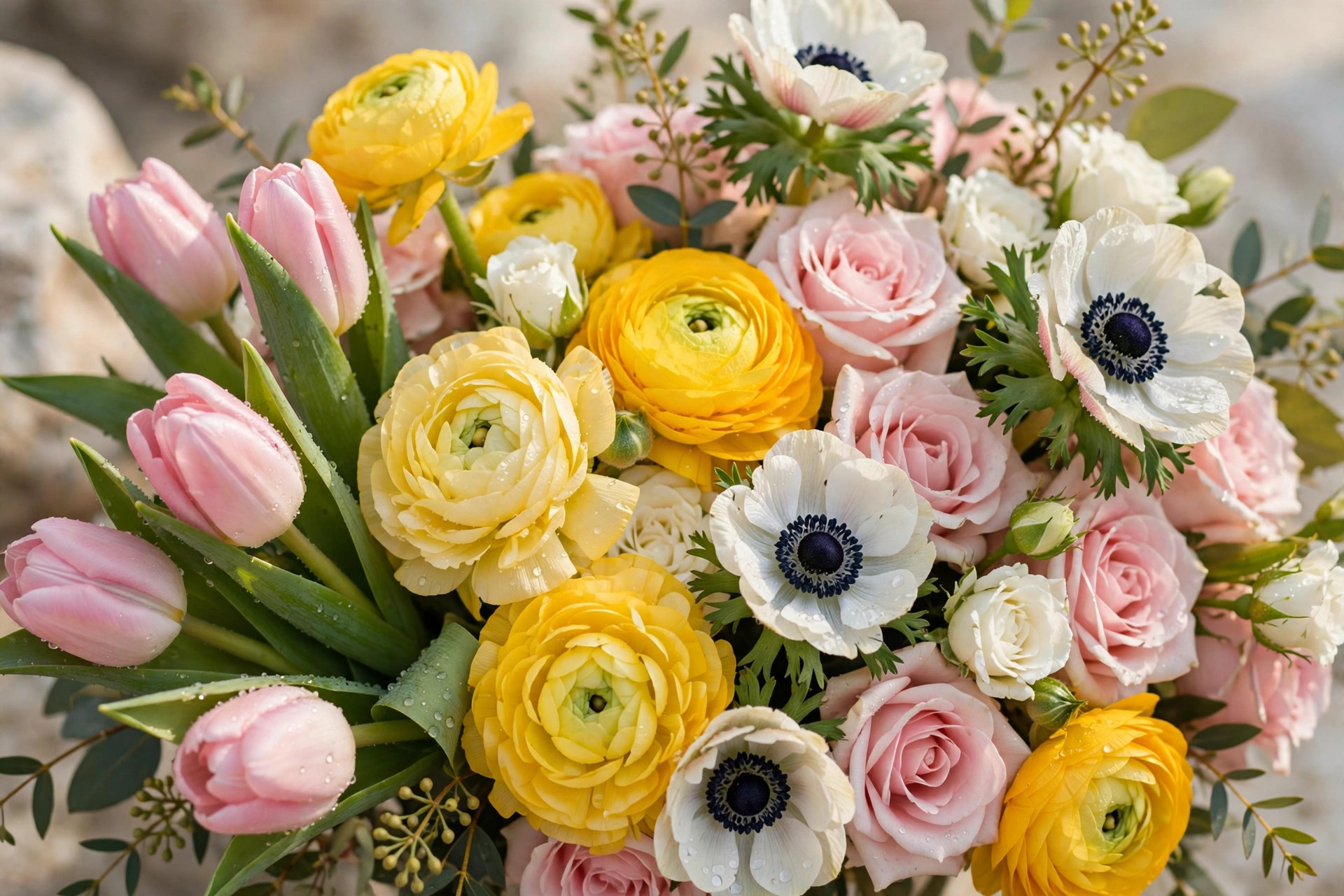
How “Season” Works in the UAE Flower Market
Because Dubai imports the vast majority of its cut flowers — from the Netherlands, Kenya, Ecuador, Colombia, Thailand, and beyond — local seasonality is really a blend of three things: Northern Hemisphere growing seasons (which drive availability of classics like peonies and tulips), Southern Hemisphere counter-seasons, and Dubai’s own demand peaks (Valentine’s Day, the December festive season, wedding season, Ramadan, and UAE National Day), which affect both price and selection.
The practical takeaway: flowers at their natural peak are fresher, more vivid, and longer-lasting than the same varieties forced or flown in off-season. Choosing in-season blooms is the single easiest way to get more beauty for your budget — a principle that applies whether you’re ordering a single bouquet or planning a 500-guest wedding.
Winter (December – February): Dubai’s Floral Golden Age
Winter is Dubai’s high season for everything, including flowers. The weather is glorious, outdoor events flourish, and it’s peak wedding season — which means florists are at their creative best and demand is at its highest. This is when the great seasonal stars align: peonies begin appearing (with the main season running into spring), ranunculus and anemones are at their most beautiful, tulips arrive in wonderful variety, and amaryllis brings drama to festive arrangements.
December brings the festive season’s signature palette — deep reds, whites, evergreens, and metallics — with poinsettias, ilex berries, and hellebores (Christmas roses) in demand. January and February build toward Valentine’s Day, when red roses dominate global supply chains and prices across the market rise; ordering early is the wise move. Winter is also ideal for sweet peas, freesia, and narcissus — delicate, fragrant blooms that would struggle in warmer months but thrive in Dubai’s mild winter, both in arrangements and in the brief window when they travel best.
What to Choose in Winter
For weddings and events: peonies (early season), ranunculus, anemones, garden roses, tulips, orchids. For gifting: amaryllis for festive drama, mixed winter bouquets with berries and evergreen textures, classic red roses for Valentine’s. Winter is the season of abundance — the time to be ambitious with variety and scale.
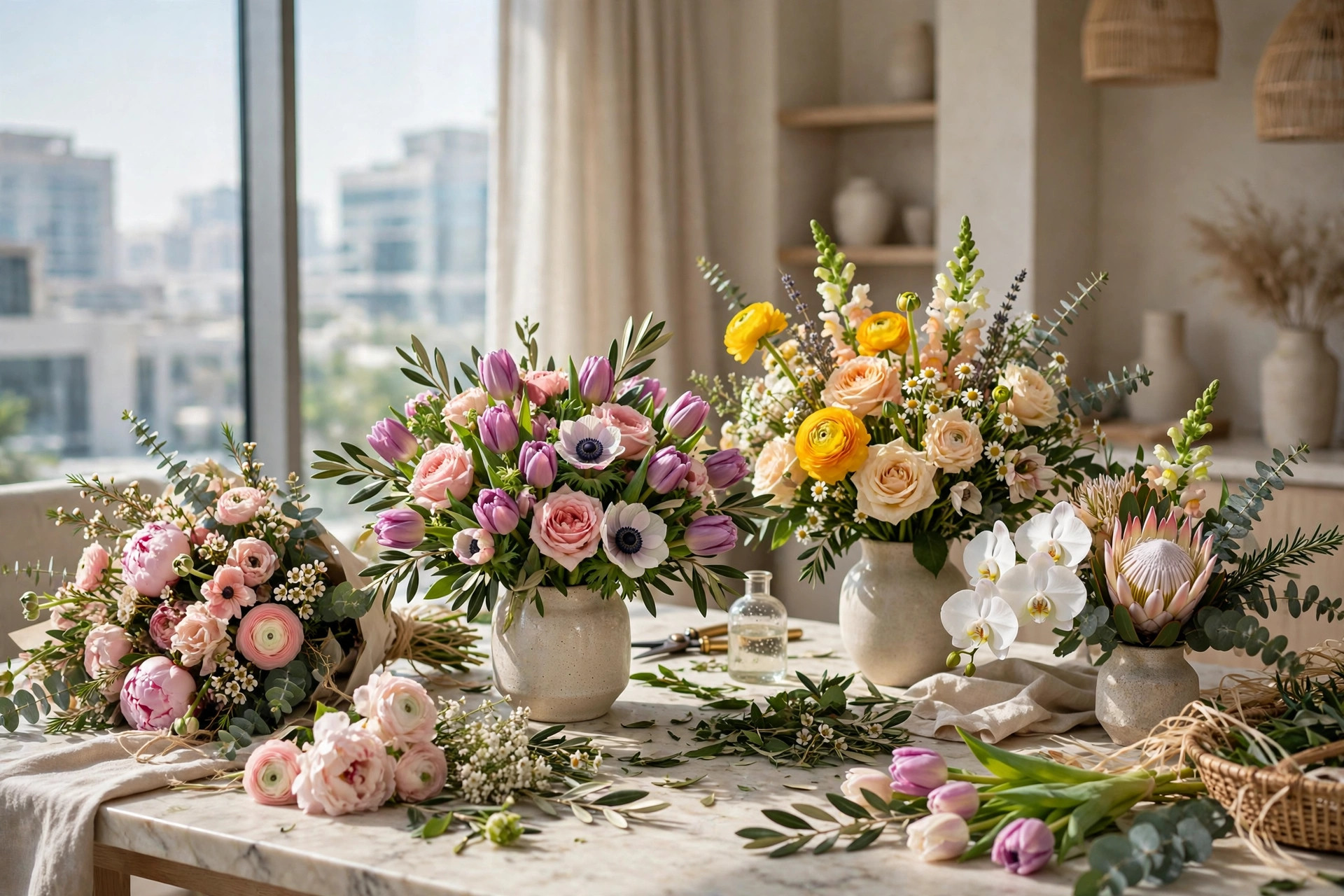
Spring (March – May): The Season of Romance
Spring is arguably the most romantic flower season in Dubai. Peonies hit their glorious peak — typically April through June depending on origin — making spring the moment for the lush, extravagant peony arrangements the city adores. Tulips continue in fine form early in the season, ranunculus and anemones linger, and lilac makes its brief, fragrant appearance — order it the moment you see it, as the window is short.
March holds a special place in the region’s calendar: Mother’s Day in the Arab world falls on March 21st, driving huge demand for soft, celebratory bouquets in pinks, pastels, and whites. Spring is also prime wedding season before the heat arrives, with garden roses, sweet peas, lisianthus, and stock all performing beautifully. As May approaches and temperatures climb, the delicate spring stars begin their exit — a natural cue to shift toward hardier varieties.
What to Choose in Spring
For weddings: peonies at peak, garden roses, sweet peas, lilac, ranunculus. For Mother’s Day (March 21): soft mixed bouquets, pink roses, tulips, orchids. Spring rewards the romantic palette — blush, cream, lavender, and soft yellow — before summer demands tougher choices.
Summer (June – September): The Hardy Survivors
Summer is Dubai’s floral stress test. Outdoor temperatures soar, and even with cold-chain logistics, delicate blooms suffer in transit and in non-climate-controlled moments. Smart summer flower choices favour the resilient: orchids (phalaenopsis and cymbidium) are summer champions, anthuriums hold their waxy form superbly, birds of paradise and other tropicals thrive, proteas bring sculptural drama, and roses — particularly premium varieties — remain reliable year-round.
Summer is also the season to embrace foliage and texture: monstera leaves, eucalyptus, and tropical greens create lush arrangements with fewer vulnerable blooms. Sunflowers suit the season’s energy, and gladioli add height and colour that stands up to heat. Avoid the most delicate flowers for outdoor summer events — hydrangeas, sweet peas, and tulips will wilt heartbreakingly fast outside air conditioning. For summer weddings, discuss heat-proofing strategies with your florist: shaded installations, last-minute placement, and hardy variety selection.
What to Choose in Summer
Orchids, anthuriums, tropicals, proteas, premium roses, sunflowers, and foliage-forward designs. Keep arrangements in air conditioning whenever possible, and for events, schedule floral installation as close to guest arrival as logistics allow.
Autumn (October – November): The Return of Variety
Autumn brings relief — temperatures ease, outdoor events return, and the flower market reopens its full palette. Dahlias shine in autumn with their incredible range of forms and colours, chrysanthemums (in cheerful colours for celebrations) return, and the first amaryllis and festive materials begin appearing as the year turns toward December.
Autumn carries Dubai’s distinctive warm palette: burnt oranges, deep burgundies, golds, and rich textures that suit the season’s weddings and corporate events. It’s also when roses are at excellent quality and lilies perform reliably. November builds toward the festive season, and savvy planners book December event florals early in autumn before the holiday rush.
What to Choose in Autumn
Dahlias, autumn roses, lilies, orchids, and rich warm-toned mixed arrangements. Autumn is the versatile season — nearly everything works, and it’s an ideal time for weddings seeking abundant choice without winter’s peak demand.
Dubai’s Celebration Calendar and Flowers
Beyond the natural seasons, Dubai’s own festivities shape the flower year. UAE National Day (December 2nd) inspires arrangements in the flag’s colours — red, green, white, and black — a striking palette for corporate and patriotic displays. Ramadan and Eid (dates vary) call for elegant, generous florals in warm festive tones. Valentine’s Day and the December festive season are the year’s demand peaks — book early, expect premium pricing, and consider ordering ahead for the freshest selection.
Diwali, celebrated by Dubai’s huge South Asian community, brings demand for marigolds and vibrant festive colours in autumn. Understanding this layered calendar — natural seasons plus cultural celebrations — is what separates adequate flower planning from inspired timing.
Planning Around the Calendar
For weddings, choose your date’s season first and let it guide your flower palette rather than falling in love with an out-of-season bloom and fighting nature (and your budget) all the way. For regular gifting, simply asking your florist “what’s at its best right now?” will consistently yield fresher, longer-lasting, better-value bouquets than requesting a specific favourite regardless of season. And for events, build seasonal thinking into the earliest planning stages — the flowers that define your event’s look should be chosen for the month they’ll actually appear in.
Frequently Asked Questions
When is peony season in Dubai?
Peonies typically appear from late winter with peak season in spring (roughly April–June depending on origin). Outside these months they’re scarce and expensive. If you’re dreaming of peonies for a wedding, spring dates give you the best selection, quality, and value.
What flowers last longest in Dubai’s summer heat?
Orchids, anthuriums, birds of paradise, proteas, and premium roses are the most heat-resilient choices. Delicate blooms like hydrangeas, sweet peas, and tulips wilt quickly in summer — save those for the cooler months and lean on tropicals and hardy varieties from June to September.
When is Mother’s Day in the UAE?
Mother’s Day in the Arab world, including the UAE, is celebrated on March 21st — distinct from the May dates observed in the US and UK. It’s one of the busiest flower-gifting days of the spring season, so ordering a few days ahead is wise.
What flowers are good for UAE National Day?
Arrangements in the UAE flag’s colours — red, green, white, and black — are the classic choice for National Day on December 2nd. Florists create striking patriotic designs for corporate displays, events, and celebrations using blooms and foliage in these four colours.
Is Valentine’s Day more expensive for flowers in Dubai?
Yes — Valentine’s Day is a global demand peak, and red rose prices rise across the market in the weeks before February 14th. Ordering early (late January) typically secures better selection and value than last-minute purchases, when choice narrows and premiums peak.
What’s the best season for a wedding in Dubai for flower choice?
Winter (December–February) and spring (March–April) offer the widest choice — peonies, ranunculus, anemones, tulips, and garden roses all shine. Autumn is also excellent for variety. Summer weddings are entirely possible but call for heat-hardy varieties like orchids and tropicals.
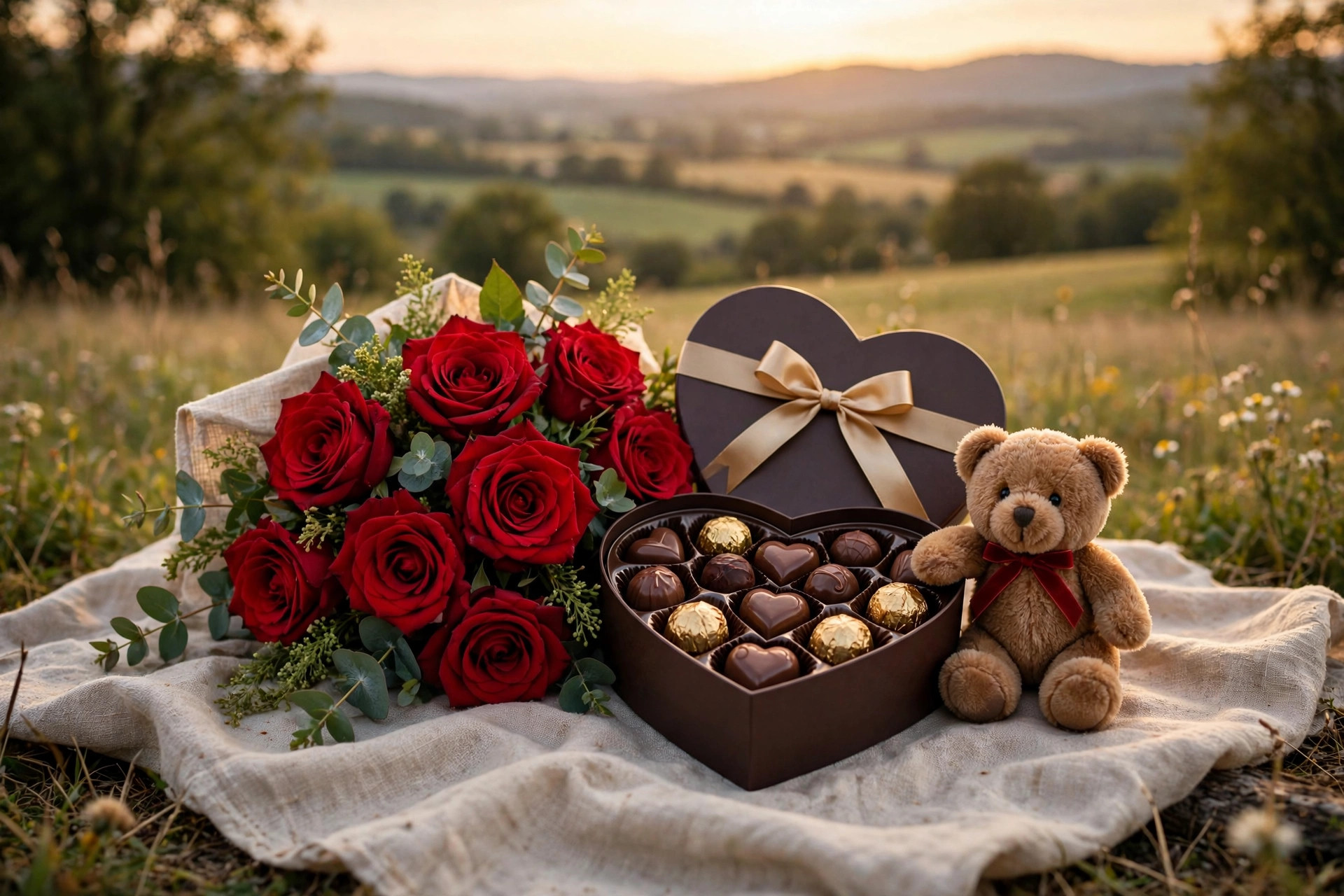
Valentine’s Day Flower Gifts 2026 in Dubai
Valentine’s Day in Dubai never really feels quiet. Restaurants book out early, delivery slots disappear faster than expected, and people suddenly realize they should’ve planned
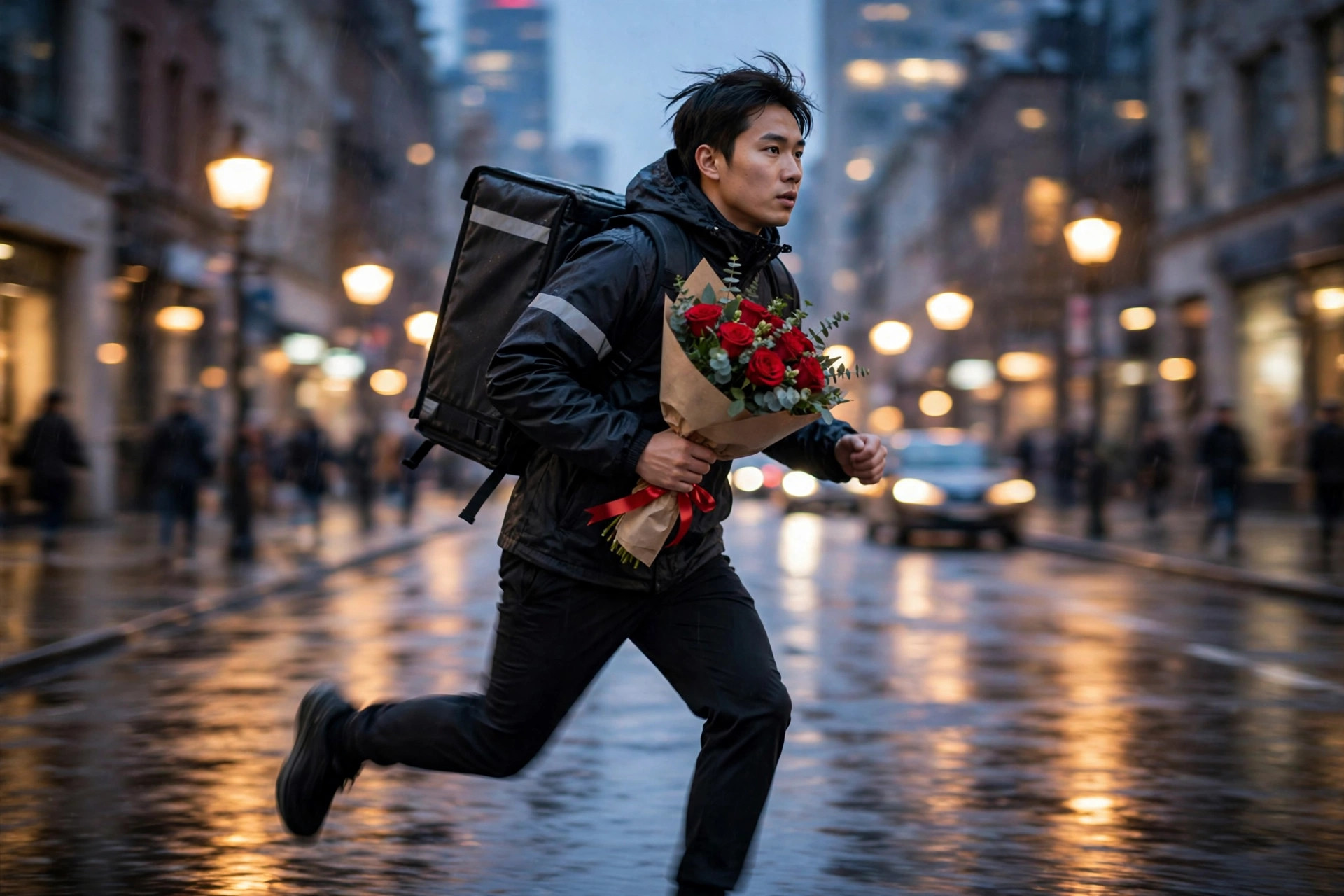
Same Day Flowers Delivery on Valentine’s Day 2026 in Dubai
Valentine’s Day has a way of sneaking up on us. One moment you’re thinking you have plenty of time, and the next — it’s already
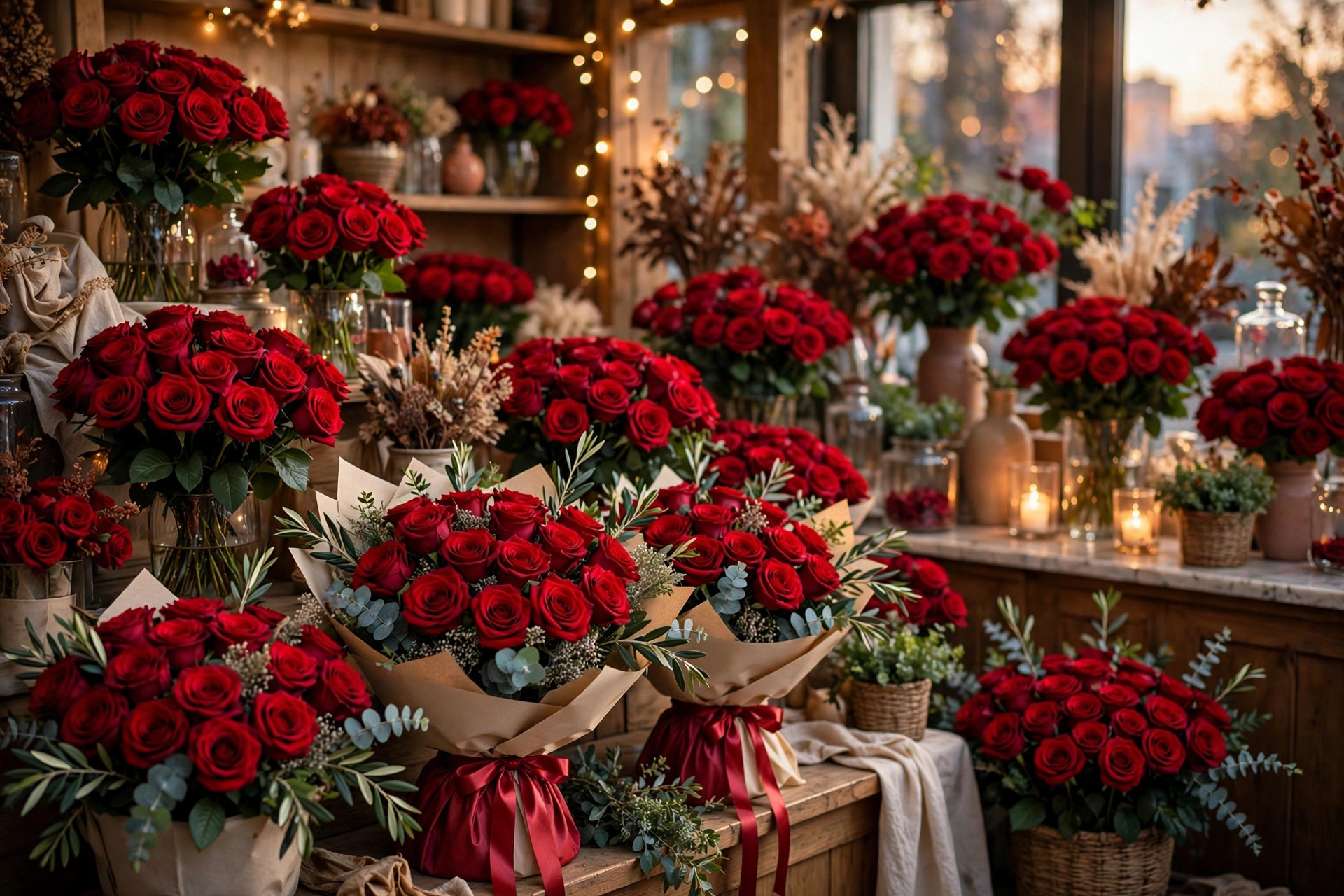
Valentine’s Day Roses Sale 2026 in Dubai: A Good Time to Plan Something Meaningful
Valentine’s Day has a way of arriving faster than expected. One moment it’s early January, and the next thing you know, restaurants are booked and